
Key Takeaways
- Mobile browsing behavior in Malaysia is changing rapidly as more users spend longer periods using smartphones daily.
- Many Malaysian users now prioritize smoother navigation, stable responsiveness, and easier mobile interaction during everyday browsing sessions.
- Peak evening browsing periods between 8PM and 11PM often make mobile usability differences much easier to notice.
- Cleaner mobile layouts and simpler navigation structures usually create better long-term browsing comfort on smartphones.
- Real-world mobile behavior such as multitasking, commuting, and rapid category switching continues shaping browsing preferences in 2026.
- Stable browsing continuity across Maxis 5G, CelcomDigi, and Unifi WiFi environments is becoming increasingly important for Malaysian mobile users.
- Practical usability and smoother mobile continuity now influence long-term browsing habits more strongly than aggressive promotional visibility alone.
- This shift in browsing behavior helps explain why more users are spending time on Vworld 2.0 through mobile devices in 2026.
Why More Malaysians Are Using Vworld 2.0 on Mobile in 2026
Introduction
Mobile browsing habits in Malaysia have changed quite noticeably over the past few years. Previously, many users mainly focused on promotions, visual appearance, or simply whether a platform had enough categories available to browse. As long as the website could open properly and basic navigation worked without major issues, most users were already satisfied with the overall experience.
However, browsing expectations in 2026 are now very different compared to before.
Today, smartphones have become part of everyday routines for most Malaysians. People browse while eating, commuting, resting at home, watching live events, or even while switching between multiple applications at the same time. Because mobile devices are used so heavily throughout the day, users naturally become much more sensitive toward the browsing experience without always realizing it themselves.
Small things that previously went unnoticed now become much easier to feel during normal usage. For example, users quickly notice if:
- Pages react slowly after tapping
- Scrolling feels heavy
- Navigation becomes confusing
- Categories take longer to open
- Layouts feel overcrowded on smaller screens
This becomes even more obvious during peak evening hours in Malaysia when overall mobile traffic becomes much heavier. Between approximately 8PM and 11PM, many users are online simultaneously, moving quickly between social media, messaging apps, live content, and websites throughout the night. Under these conditions, smoother mobile interaction becomes far more important compared to flashy visuals or oversized promotional banners alone.
As a result, many users today naturally pay closer attention toward practical browsing factors such as:
- Smoother navigation flow
- Cleaner mobile layouts
- Stable responsiveness
- Easier movement between sections
- Lower interruption during browsing sessions
- Better comfort during longer mobile usage
Interestingly, most users do not actively think about these details while browsing. Instead, they simply continue spending more time on platforms that feel easier and more comfortable to use on a daily basis.
Over time, browsing behavior gradually shifts toward platforms that provide a smoother overall mobile experience instead of platforms relying heavily on aggressive presentation or excessive visual clutter. This changing user behavior is one reason more people are now spending time on Vworld 2.0 through smartphones in 2026.
Rather than trying to overwhelm users with complicated structures or distracting layouts, the browsing experience feels more aligned with how many Malaysians naturally use mobile devices today — simple navigation, smoother interaction, and easier browsing continuity during normal everyday sessions.
How Mobile Usage in Malaysia Has Changed
The way Malaysians use the internet today is very different compared to just a few years ago. Previously, desktop browsing still played a bigger role for many users, especially when accessing entertainment platforms or spending longer periods online. Mobile devices were mainly used for shorter browsing sessions, messaging, or casual scrolling throughout the day.
Now, smartphones have become the main device for almost everything.
Many users no longer wait until they are at home to browse online. Instead, mobile usage happens continuously throughout the day — during lunch breaks, while commuting, before sleeping, while watching live content, or even while multitasking between several apps at once. Because smartphones are always within reach, browsing habits naturally become much faster and more active compared to before.
This shift has slowly changed how users judge online experiences overall.
Previously, many users were still willing to tolerate things such as:
- Slower page loading
- Larger banners covering the screen
- Cluttered layouts
- Multiple redirects between pages
- Heavier navigation structures
As long as the website eventually loaded, most users continued browsing without thinking too much about it.
Today, user patience is much lower, especially on mobile devices.
If a page:
- Takes too long to react
- Freezes while scrolling
- Reloads repeatedly
- Feels difficult to navigate
- Becomes unstable during heavier traffic periods
Many users simply leave and move elsewhere very quickly.
This behavior becomes especially noticeable during evening hours in Malaysia, particularly between approximately 8PM and 11PM, when internet activity becomes significantly heavier nationwide. During these periods, users are often moving rapidly between social media platforms, messaging apps, videos, and websites at the same time. Under these conditions, even small delays or inconsistent responsiveness become much easier to notice.
Modern users now naturally expect:
- Smoother page movement
- Faster responsiveness
- Cleaner mobile layouts
- Easier scrolling
- More stable interaction during longer sessions
Instead of struggling through crowded interfaces filled with excessive movement or unnecessary visual clutter.
Interestingly, most users do not consciously analyze these details while browsing. However, they still naturally spend more time on platforms that feel smoother and easier to use overall.
During shorter browsing sessions, many users now quickly switch between categories without spending much time waiting for sections to load. Some users may even browse while replying to messages or watching short videos at the same time, making delayed navigation much easier to notice compared to previous years.

Real Mobile Observation During Peak Evening Hours
During several recent evening browsing observations between approximately 8:30PM and 10:45PM, mobile interaction patterns became noticeably different compared to normal daytime usage. These observations were carried out under mixed Malaysia network environments including Maxis 5G, CelcomDigi mobile data, and Unifi WiFi connections using both Android mid-range smartphones and iPhone devices during regular browsing sessions.
One interesting thing that became very obvious during these periods was how much faster and more active user behavior becomes at night.
Unlike daytime browsing, users during evening hours tend to interact with platforms much more aggressively. Instead of staying inside one section for long periods, users often:
- Switch between categories rapidly
- Refresh pages repeatedly
- Scroll continuously without stopping
- Move back and forth between different sections
- Open multiple pages within shorter periods of time
This behavior becomes even more intense when internet traffic across Malaysia rises during nighttime hours. Since many people are online simultaneously, even smaller differences in mobile responsiveness become much easier to notice compared to quieter daytime periods.
Under these conditions, platforms with overly crowded layouts or excessive visual elements often begin feeling heavier after longer usage. In some cases, rapid switching between sections creates small delays during scrolling or page transitions, especially when users continue navigating quickly across multiple areas within short periods.
Meanwhile, platforms with cleaner mobile layouts usually feel noticeably easier to browse during prolonged sessions. Smoother navigation structure often creates:
- More comfortable scrolling
- Faster movement between sections
- Lower interruption during browsing
- More stable page responsiveness
- Less friction while navigating continuously
Interestingly, many users may not consciously think about these technical differences while browsing. However, they still naturally spend more time on platforms that feel smoother and easier to interact with throughout the session.
This type of real-world browsing behavior has become much more important in 2026 because Malaysian users now spend significantly longer periods using smartphones compared to previous years. Mobile browsing is no longer occasional usage — it has become part of everyday routines for many users across the country.
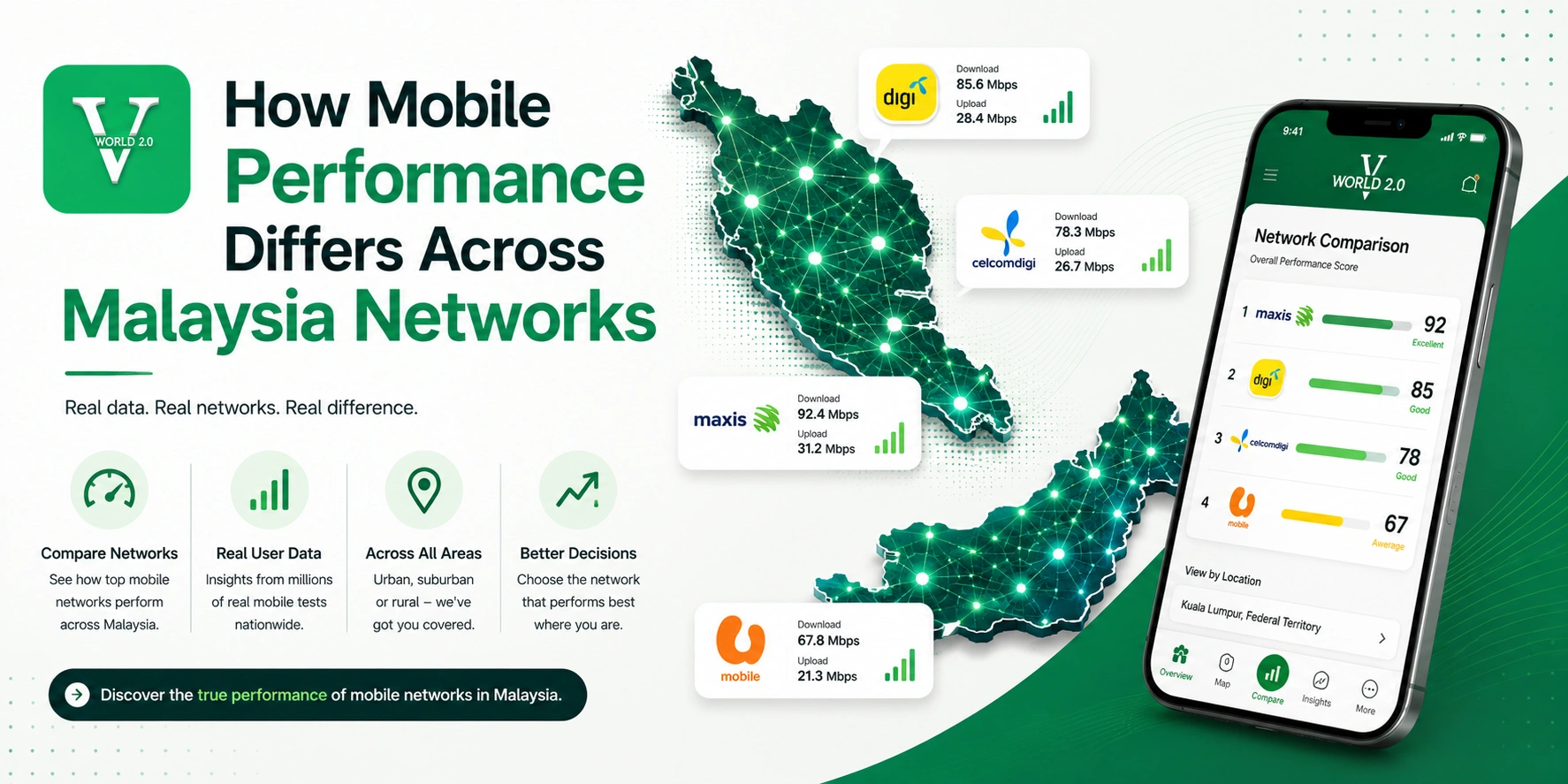
How Mobile Performance Differs Across Malaysia Networks
One interesting observation during recent mobile browsing sessions is that browsing experience can feel slightly different depending on the network environment being used throughout the day. Some users may browse while traveling on LRT or MRT lines where network stability changes continuously between stations. Under these conditions, platforms with cleaner mobile structures and lower loading interruption usually feel noticeably easier to navigate during shorter browsing sessions.
In Malaysia, many users frequently switch between mobile data and WiFi connections while browsing, especially during commuting hours or evening usage periods.
During normal browsing sessions across Maxis 5G, CelcomDigi mobile data, and Unifi WiFi environments, smoother interaction usually becomes much easier to notice when users rapidly move between sections on smartphones.
Under stronger network conditions, users generally experience:
- Faster page responsiveness
- Smoother category movement
- Lower interruption during scrolling
- More stable browsing continuity
Meanwhile, under mixed mobile conditions or heavier evening traffic periods, overloaded layouts and excessive visual clutter often become more noticeable during prolonged browsing sessions.
This is one reason why many mobile users today naturally prefer platforms that maintain cleaner navigation and more stable responsiveness regardless of changing network conditions throughout the day.
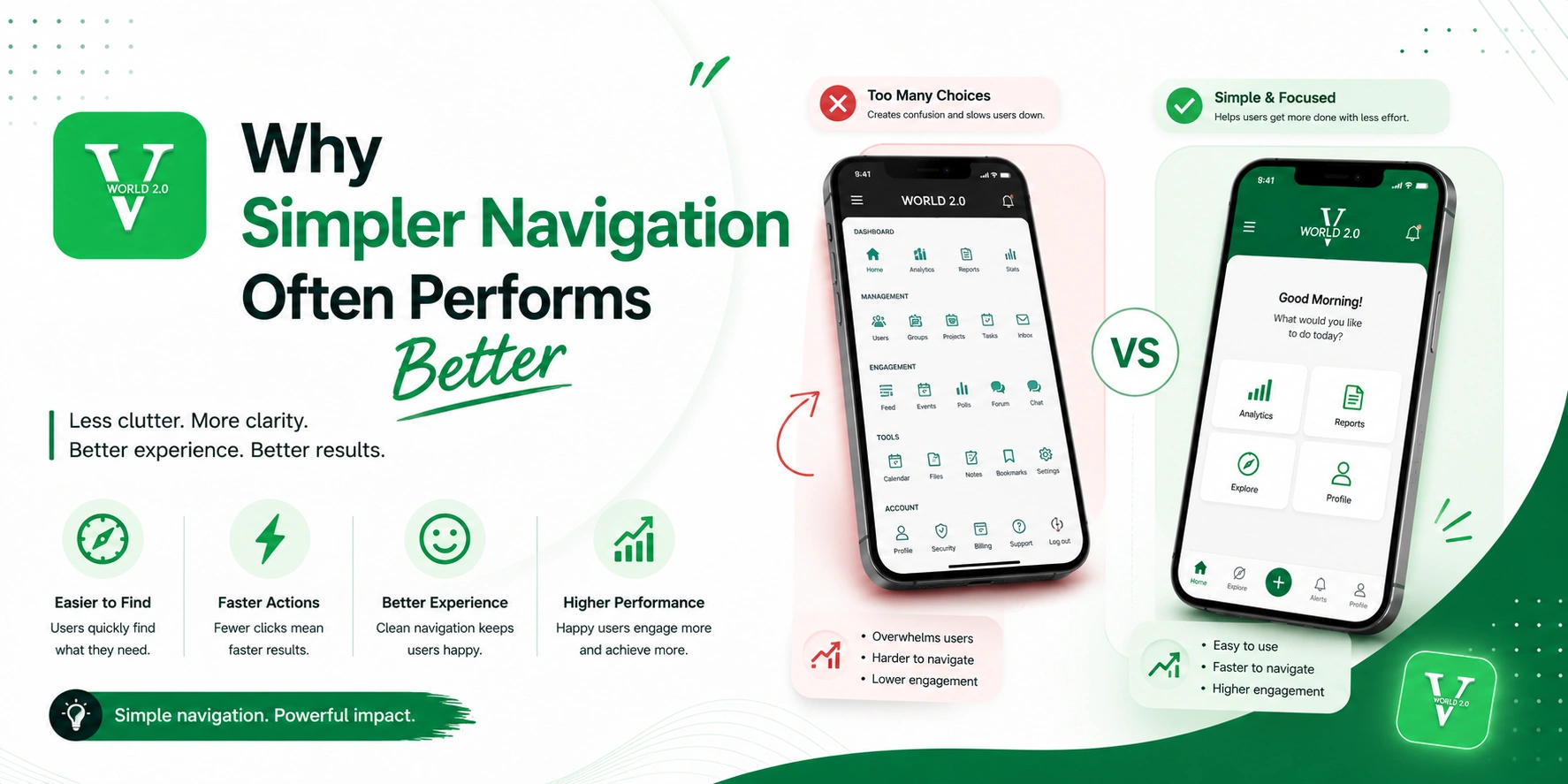
Why Simpler Navigation Often Performs Better
Many users do not actively think about navigation structure while browsing on mobile devices. Most people simply continue using platforms that feel comfortable and easy to move around. However, once a layout becomes too crowded or complicated, users usually notice the frustration very quickly, especially during longer browsing sessions on smartphones.
Over the past few years, many websites have started adding larger visuals, excessive movement effects, floating elements, popups, and heavier animations in order to attract attention more aggressively. While these designs may initially appear visually impressive, they often create a less comfortable browsing experience after spending more time on the platform.
This becomes especially noticeable on mobile devices because smartphone screens are naturally much smaller compared to desktop monitors. When too many elements compete for limited screen space, users often experience:
- More difficult scrolling
- Slower navigation flow
- Accidental tapping
- Visual fatigue during longer sessions
- Confusion while moving between sections
Users browsing before sleeping often prefer layouts that feel less visually exhausting during longer nighttime sessions, especially on smartphones where excessive movement and crowded layouts may feel more tiring after extended browsing.
Meanwhile, simpler navigation structures usually feel much easier during normal daily usage. Cleaner layouts often help users:
- Locate categories faster
- Move between sections more smoothly
- Scroll more comfortably
- Reduce unnecessary distractions
- Maintain easier interaction during prolonged browsing
This browsing style feels more aligned with how many users interact with Vworld 2.0 today, especially during longer mobile sessions where faster movement between sections and lower visual clutter become easier to appreciate naturally.
Mobile Browsing Experience Comparison
| Browsing Experience Factor | Earlier Mobile Structures | Modern Mobile-Oriented Structure |
|---|---|---|
| Navigation Flow | More crowded movement between sections | Cleaner and smoother interaction |
| Mobile Scrolling | Heavier during longer sessions | More comfortable during continuous browsing |
| Layout Organization | Larger visual clutter | Simpler category visibility |
| Browsing Stability | More interruption during traffic spikes | More consistent responsiveness |
| User Interaction | Higher navigation friction | Easier movement across sections |
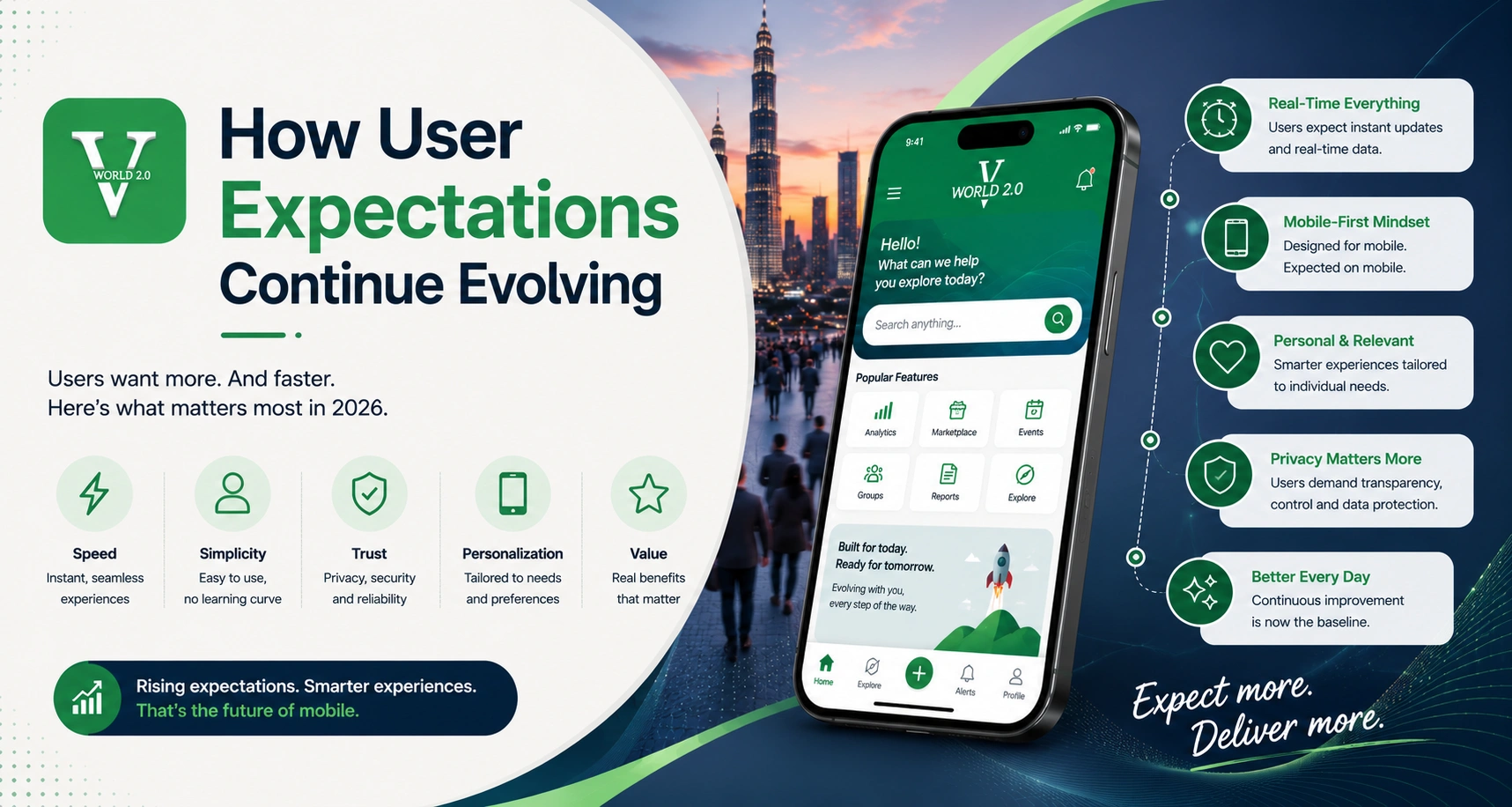
How User Expectations Continue Evolving
The way people judge online experiences today is very different compared to several years ago. Previously, many users mainly focused on things that were easy to notice immediately, such as visual appearance, promotional visibility, or simply how many categories and features were available on a platform.
As long as a website looked attractive and appeared to offer plenty of content, most users were generally willing to continue browsing without paying too much attention toward the actual usability itself.
Today, expectations have gradually changed.
Modern users now spend a huge amount of time interacting with highly optimized digital platforms every single day. People constantly use fast-loading social media applications, smoother mobile apps, responsive messaging platforms, and websites that react almost instantly during interaction. Because these experiences become part of normal daily routines, users naturally become much more sensitive toward responsiveness and browsing quality elsewhere as well.
Interestingly, many users may not consciously think about these expectations while browsing. However, they still quickly notice when a platform feels:
- Slower to react
- Difficult to navigate
- Visually overwhelming
- Inconsistent during scrolling
- Uncomfortable during longer mobile sessions
This change is not happening only within entertainment-related platforms. It is happening across almost every industry connected to online browsing today. Whether users are ordering food, shopping online, browsing social media, watching videos, or using banking applications, people are becoming increasingly familiar with smoother digital experiences overall.
Because of this, expectations toward mobile usability continue rising naturally.
Instead of focusing mainly on visual design or aggressive promotion, many users today pay much closer attention toward practical browsing experience such as:
- Smoother mobile interaction
- Easier movement between sections
- Lower loading interruption
- More stable responsiveness
- Cleaner layouts during prolonged browsing
Even small usability improvements can noticeably affect how comfortable users feel while browsing on smartphones.
Platforms that fail to adapt to these changing expectations often struggle keeping users engaged for longer periods. In many cases, users simply leave quietly and spend more time elsewhere without actively thinking about the reason.
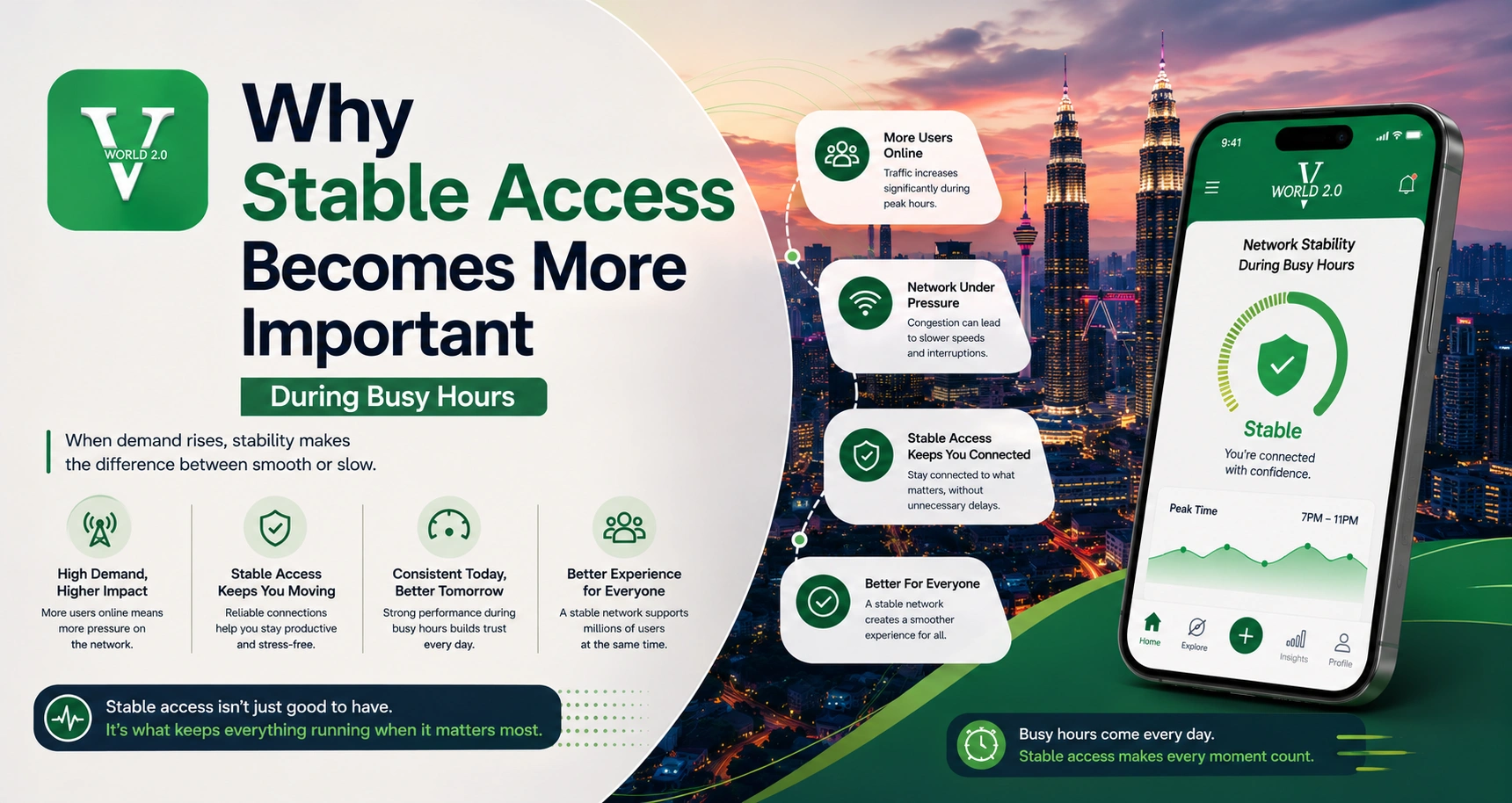
Why Stable Access Becomes More Important During Busy Hours
One thing that becomes very noticeable across Malaysian mobile browsing behavior is how differently platforms perform once internet traffic starts increasing during the evening. During quieter daytime periods, many websites may appear relatively similar at first glance because traffic conditions are usually lighter and browsing activity is less aggressive overall.
However, the situation often changes once peak hours begin.
In Malaysia, internet activity typically becomes much heavier during the evening, especially between approximately 8PM and 11PM. During these periods, many users are online simultaneously using smartphones for multiple activities at the same time. Some people are watching videos, others are browsing social media, chatting through messaging apps, scrolling through websites, or rapidly switching between several platforms throughout the night.
Under these heavier traffic conditions, smaller differences in browsing performance become much easier to notice.
For example, users quickly start recognizing if:
- Pages react more slowly than usual
- Scrolling becomes less smooth
- Sections take longer to open
- Navigation feels inconsistent
- Repeated refreshing becomes necessary
- Movement between categories feels delayed
During heavier evening browsing periods, users often become much more sensitive toward platforms that maintain more consistent mobile continuity under changing traffic conditions. This is one reason why some mobile users gradually spend more time browsing through Vworld during everyday evening sessions in 2026.
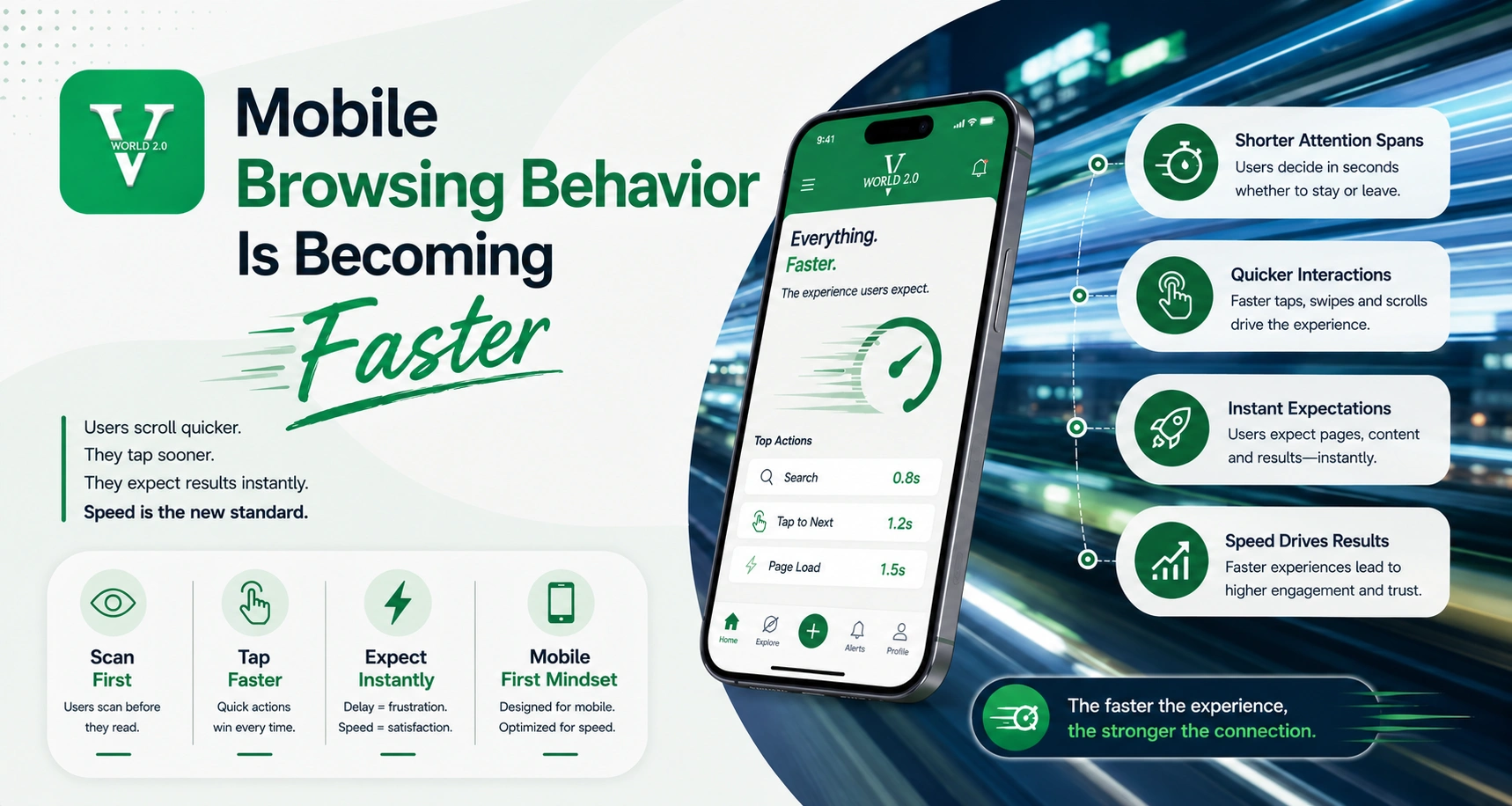
Mobile Browsing Behavior Is Becoming Faster
One noticeable change happening across mobile usage in Malaysia is how much faster browsing behavior has become compared to previous years. People today interact with websites very differently, especially on smartphones where users are constantly moving between apps, notifications, videos, social media, and websites throughout the day.
Previously, users were generally more patient while browsing online. Waiting a few extra seconds for a page to load or navigating through several sections before finding information was considered relatively normal at the time.
Today, browsing habits move at a much faster pace.
Most smartphone users now:
- Scroll very quickly through pages
- Switch between tabs continuously
- Open multiple sections within short periods
- Leave slower pages almost immediately
- Compare different platforms at the same time
During football nights, some users rapidly switch between live score updates, short videos, and browsing tabs within a few seconds. Under these faster interaction habits, even small delays during navigation or page transitions become much easier to notice compared to normal daytime browsing.
Modern users generally prefer experiences that provide:
- Faster category access
- Cleaner navigation flow
- Shorter waiting time
- Smoother page movement
- Easier interaction during continuous browsing
Instead of needing to repeatedly wait for pages to reload or navigate through unnecessary friction while moving around the platform. This becomes even more important on smartphones because mobile browsing usually involves shorter attention spans compared to desktop usage. Users often browse casually while multitasking, replying to messages, watching videos, or switching between apps at the same time. Under these conditions, platforms that feel smoother and easier to navigate naturally create a more comfortable experience overall.
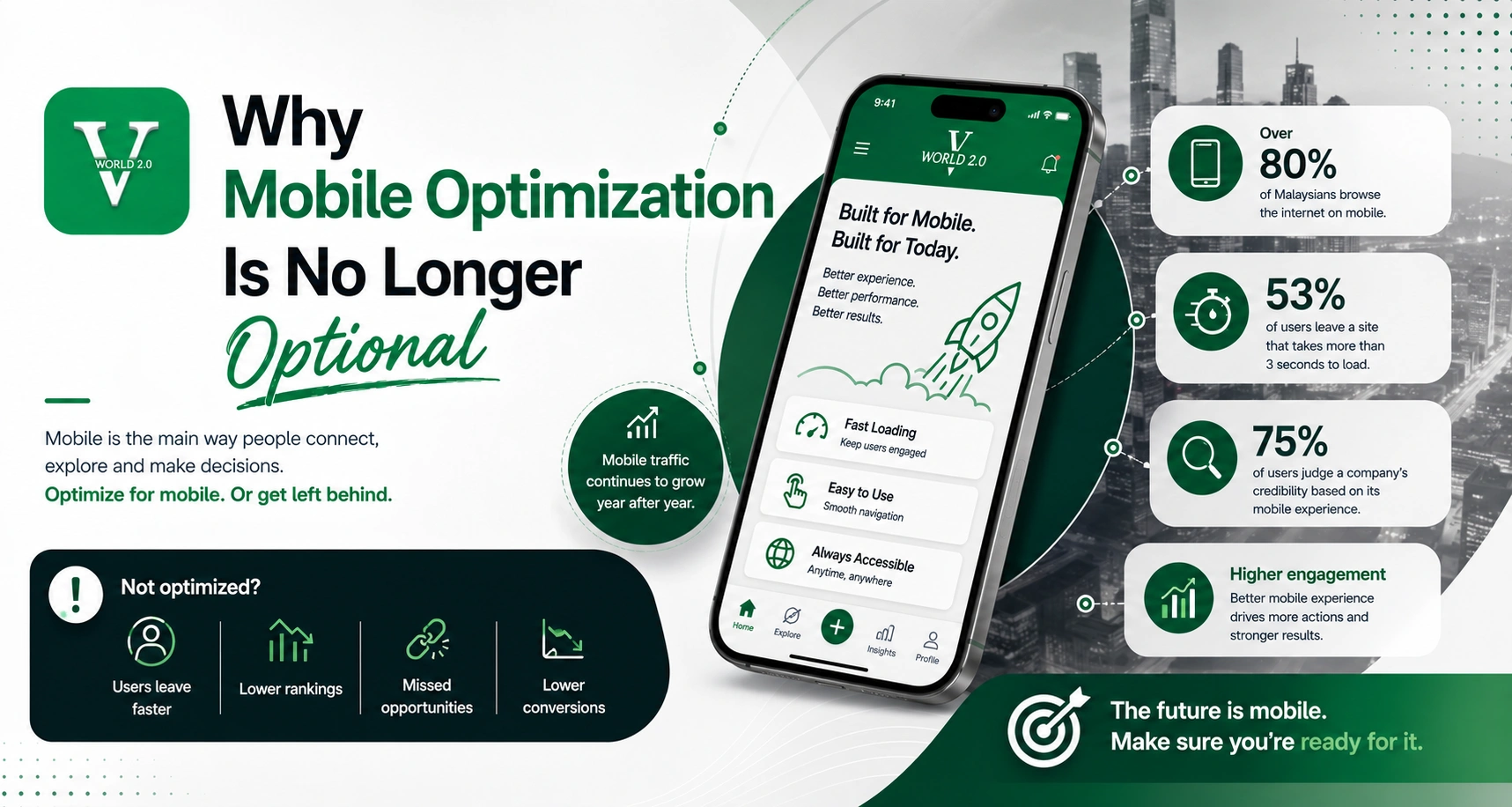
Why Mobile Optimization Is No Longer Optional
A few years ago, many websites still treated mobile optimization as something secondary. Some platforms focused much more heavily on desktop appearance while mobile usability was considered an additional improvement rather than a necessity. As long as the website could technically open on a smartphone, many businesses already considered the platform “mobile-friendly” enough.
That mindset no longer works today.
In 2026, users automatically expect websites to function smoothly on mobile devices without needing to think about it. Most people now spend far more time browsing through smartphones compared to desktop computers, especially in Malaysia where mobile internet usage dominates everyday online activity across nearly every age group.
Because mobile browsing has become part of daily routines, users naturally expect platforms to provide:
- Responsive layouts that fit smaller screens properly
- Smoother scrolling without lag
- Faster page loading
- Touch-friendly navigation
- Stable interaction during longer sessions
These things are no longer viewed as “extra features.” They are now considered basic expectations during normal browsing.
If a website feels slow, difficult to navigate, or uncomfortable on mobile devices, many users simply leave very quickly without giving the platform much time. In many cases, users may not even consciously think about why they leave. They just naturally spend more time on platforms that feel easier and smoother to use overall.
This behavior has become much more obvious in Malaysia because smartphone usage is extremely high throughout the country. Many users browse online almost entirely through mobile devices now, whether during commuting hours, lunch breaks, nighttime browsing sessions, or while multitasking between several apps simultaneously.
Under these conditions, mobile usability directly affects how comfortable users feel during everyday interaction.
Platforms that focus more heavily on smoother mobile experience usually create:
- Longer browsing sessions
- Easier movement between sections
- Lower interruption during navigation
- More comfortable scrolling behavior
- Better overall interaction continuity
Over time, these usability improvements strongly influence long-term browsing habits. Users generally continue returning to platforms that feel practical and comfortable during regular mobile usage instead of platforms that create unnecessary friction while navigating.
When browsing repeatedly feels interrupted, many users quietly stop returning even if they cannot explain the exact reason themselves. Some users may quickly check live updates for a few seconds before returning to messaging apps or social media feeds. Under these shorter interaction patterns, even small loading delays become much easier to notice.
Why Mobile Optimization Is No Longer Optional
A few years ago, many websites still treated mobile optimization as something secondary. Some platforms focused much more heavily on desktop appearance while mobile usability was considered an additional improvement rather than a necessity. As long as the website could technically open on a smartphone, many businesses already considered the platform “mobile-friendly” enough.
That mindset no longer works today.
In 2026, users automatically expect websites to function smoothly on mobile devices without needing to think about it. Most people now spend far more time browsing through smartphones compared to desktop computers, especially in Malaysia where mobile internet usage dominates everyday online activity across nearly every age group.
Because mobile browsing has become part of daily routines, users naturally expect platforms to provide:
- Responsive layouts that fit smaller screens properly
- Smoother scrolling without lag
- Faster page loading
- Touch-friendly navigation
- Stable interaction during longer sessions
These things are no longer viewed as “extra features.” They are now considered basic expectations during normal browsing.
If a website feels slow, difficult to navigate, or uncomfortable on mobile devices, many users simply leave very quickly without giving the platform much time. In many cases, users may not even consciously think about why they leave. They just naturally spend more time on platforms that feel easier and smoother to use overall.
This behavior has become much more obvious in Malaysia because smartphone usage is extremely high throughout the country. Many users browse online almost entirely through mobile devices now, whether during commuting hours, lunch breaks, nighttime browsing sessions, or while multitasking between several apps simultaneously.
Under these conditions, mobile usability directly affects how comfortable users feel during everyday interaction.
Platforms that focus more heavily on smoother mobile experience usually create:
- Longer browsing sessions
- Easier movement between sections
- Lower interruption during navigation
- More comfortable scrolling behavior
- Better overall interaction continuity
Over time, these usability improvements strongly influence long-term browsing habits. Users generally continue returning to platforms that feel practical and comfortable during regular mobile usage instead of platforms that create unnecessary friction while navigating.
When browsing repeatedly feels interrupted, many users quietly stop returning even if they cannot explain the exact reason themselves. Some users may quickly check live updates for a few seconds before returning to messaging apps or social media feeds. Under these shorter interaction patterns, even small loading delays become much easier to notice.
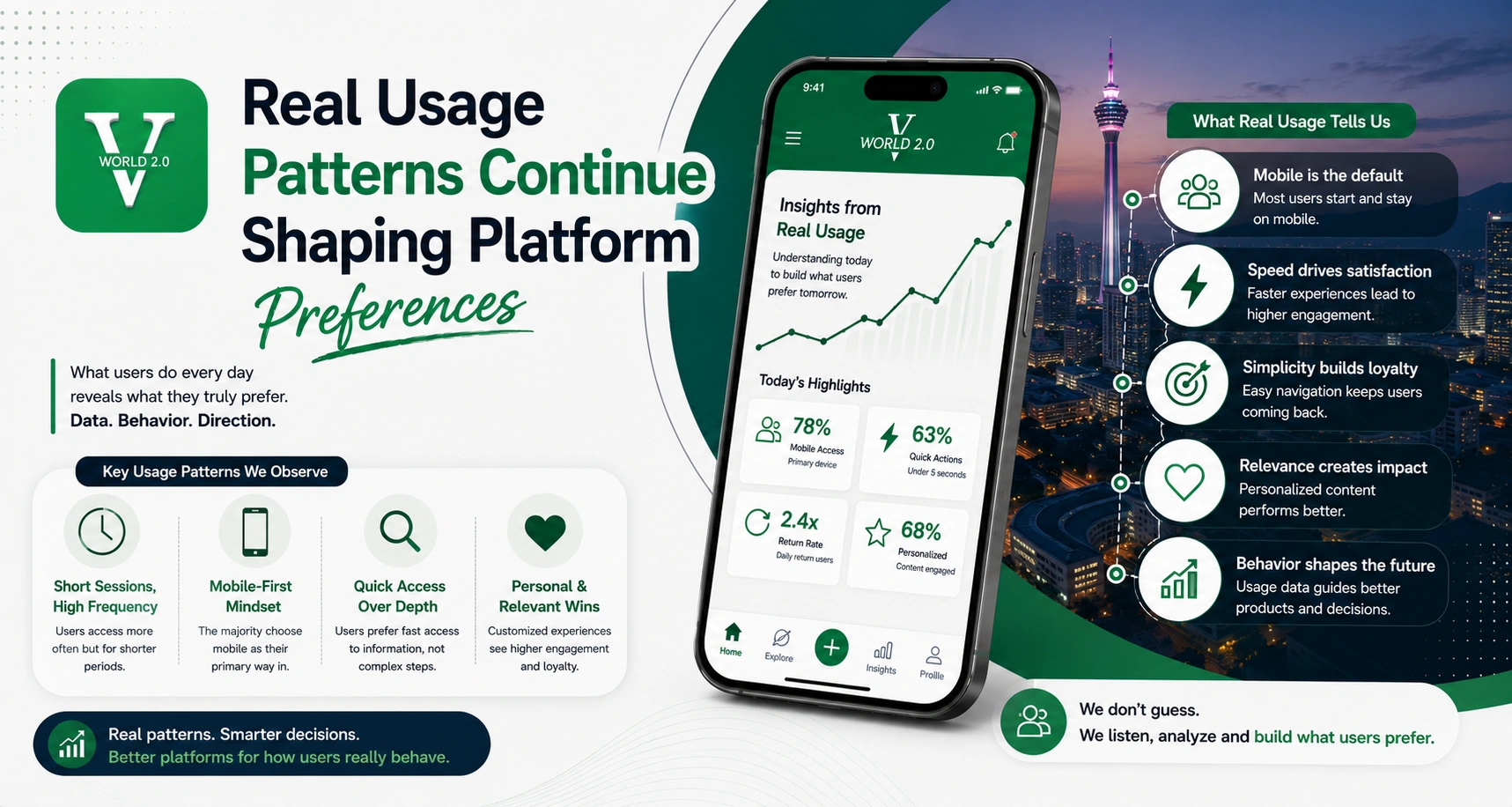
Real Usage Patterns Continue Shaping Platform Preferences
One noticeable change happening throughout 2026 is that users are relying much more on actual browsing experience instead of simply trusting marketing claims or promotional visibility alone. Previously, many platforms could attract attention mainly through aggressive advertising, larger bonuses, or visually impressive designs. While these things may still create initial interest, they no longer guarantee that users will continue returning consistently afterward.
Today, users spend enough time browsing on smartphones daily that they quickly notice how a platform actually performs during normal usage.
For example, users now immediately recognize when a platform feels:
- Slow during navigation
- Unstable while switching sections
- Overcrowded with unnecessary visuals
- Inconsistent during mobile interaction
- Tiring to browse for longer periods
Even if users do not actively analyze these issues, they still naturally spend less time on platforms that feel frustrating during everyday mobile sessions.
At the same time, users also quietly notice when a platform feels:
- Smoother while scrolling
- Easier to navigate
- More stable during browsing
- Cleaner on smaller screens
- More comfortable during continuous interaction
Interestingly, these usability details often influence long-term browsing habits more strongly than aggressive promotions themselves.
In Malaysia, this behavioral shift has become increasingly obvious because mobile usage now dominates daily internet activity across nearly every demographic group. Many users browse online continuously throughout the day while multitasking between applications, social media, messaging platforms, and websites at the same time.
Under these real-world conditions, practical usability becomes much more important compared to how visually impressive a platform initially appears.
Users today are much more likely to continue returning to platforms that feel comfortable during repeated daily usage rather than platforms relying heavily on oversized banners or excessive visual marketing alone.
As digital expectations continue increasing, platforms that prioritize smoother interaction and more stable browsing continuity are gradually becoming more aligned with actual user behavior in Malaysia. Over time, this ongoing shift continues strengthening mobile-focused browsing patterns throughout the country.
Why Some Users Explore Different Categories More Frequently Today
Browsing behavior today is very different compared to how people interacted with websites several years ago. Previously, users often spent longer periods inside a single section without moving around too much. Once they entered a category, they usually stayed there for quite some time before leaving the platform entirely.
Now, mobile browsing habits have become much more dynamic and fast-moving.
Many users today constantly move between sections while browsing. Instead of focusing on only one area, users frequently:
- Switch categories repeatedly
- Open multiple pages within short periods
- Compare different layouts
- Scroll through several sections continuously
- Move back and forth between categories during the same session
This behavior is especially common on smartphones because users now browse much more casually throughout the day. Some people browse while watching videos, replying to messages, commuting, or switching between multiple apps at the same time. Because attention is constantly divided across different activities, browsing patterns naturally become faster and less predictable compared to before.
As a result, smoother navigation becomes much more important during everyday mobile usage.
When users rapidly move between sections, even smaller usability issues become easier to notice. For example, users quickly feel frustrated if:
- Pages take too long to open
- Scrolling becomes inconsistent
- Navigation resets unexpectedly
- Layouts feel crowded on smaller screens
- Repeated loading interruptions appear during browsing
Under these conditions, heavy or unstable navigation usually causes users to lose interest much faster than before.
Meanwhile, platforms with smoother browsing continuity often feel more comfortable during longer sessions because users can move naturally between sections without constantly dealing with delays or interruptions.
Interestingly, many users may not consciously describe this as “good usability.” Instead, they simply continue spending more time on platforms that feel easier and smoother to browse overall. Similar browsing behavior can also be seen in how users approach longer fishing game sessions on mobile devices , where smoother category movement and easier interaction often create a more comfortable overall browsing experience during extended mobile usage.
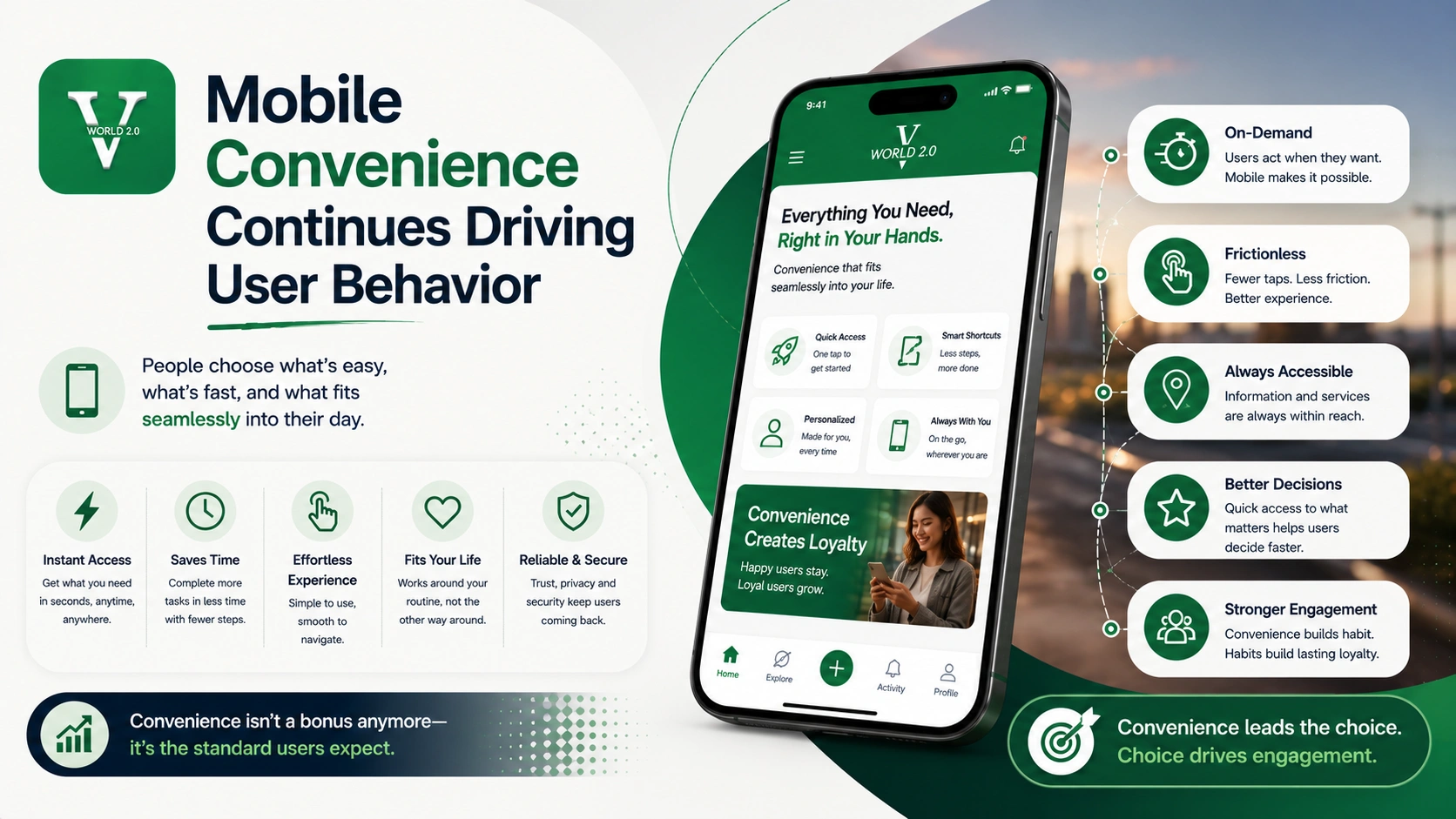
Mobile Convenience Continues Driving User Behavior
Convenience has slowly become one of the biggest factors influencing how people browse online today, especially in Malaysia where smartphone usage continues growing across nearly every age group. Previously, users were often willing to spend more time navigating through complicated layouts or waiting for sections to load because mobile browsing standards were still relatively basic at the time.
Today, browsing habits are much faster and more practical.
Most users now expect websites to feel simple and easy to use immediately after opening them on a smartphone. People no longer want to spend unnecessary time figuring out navigation structures, dealing with repeated interruptions, or searching through crowded layouts just to move between sections.
This change is closely connected to how mobile devices are used throughout daily life now. Many users browse while:
- Multitasking during work
- Commuting
- Watching videos
- Switching between social media apps
- Replying messages at the same time
Under these conditions, users naturally prefer experiences that feel quick, smooth, and uncomplicated.
As a result, many users today prioritize things such as:
- Easier access to sections
- Faster page movement
- Cleaner mobile layouts
- Lower navigation friction
- Smoother browsing continuity
instead of platforms relying heavily on oversized visuals or excessive promotional clutter.
Interestingly, this shift is not limited to one specific type of platform. It reflects a much broader change happening across digital behavior in Malaysia overall. People are becoming increasingly familiar with applications and services that react instantly, scroll smoothly, and feel effortless to use during everyday interaction.
Because users interact daily with highly optimized apps like social media platforms, messaging services, and mobile applications, expectations toward browsing experience naturally continue rising everywhere else as well.
This means users now quickly notice when a platform feels:
- Slow to navigate
- Visually overwhelming
- Unnecessarily complicated
- Inconsistent during mobile usage
Even if they do not consciously analyze the reason behind the frustration. Meanwhile, platforms that focus more heavily on practical usability generally feel much more aligned with how people naturally browse online today. Simpler interaction and smoother navigation often create a more comfortable overall experience, especially during longer mobile sessions.
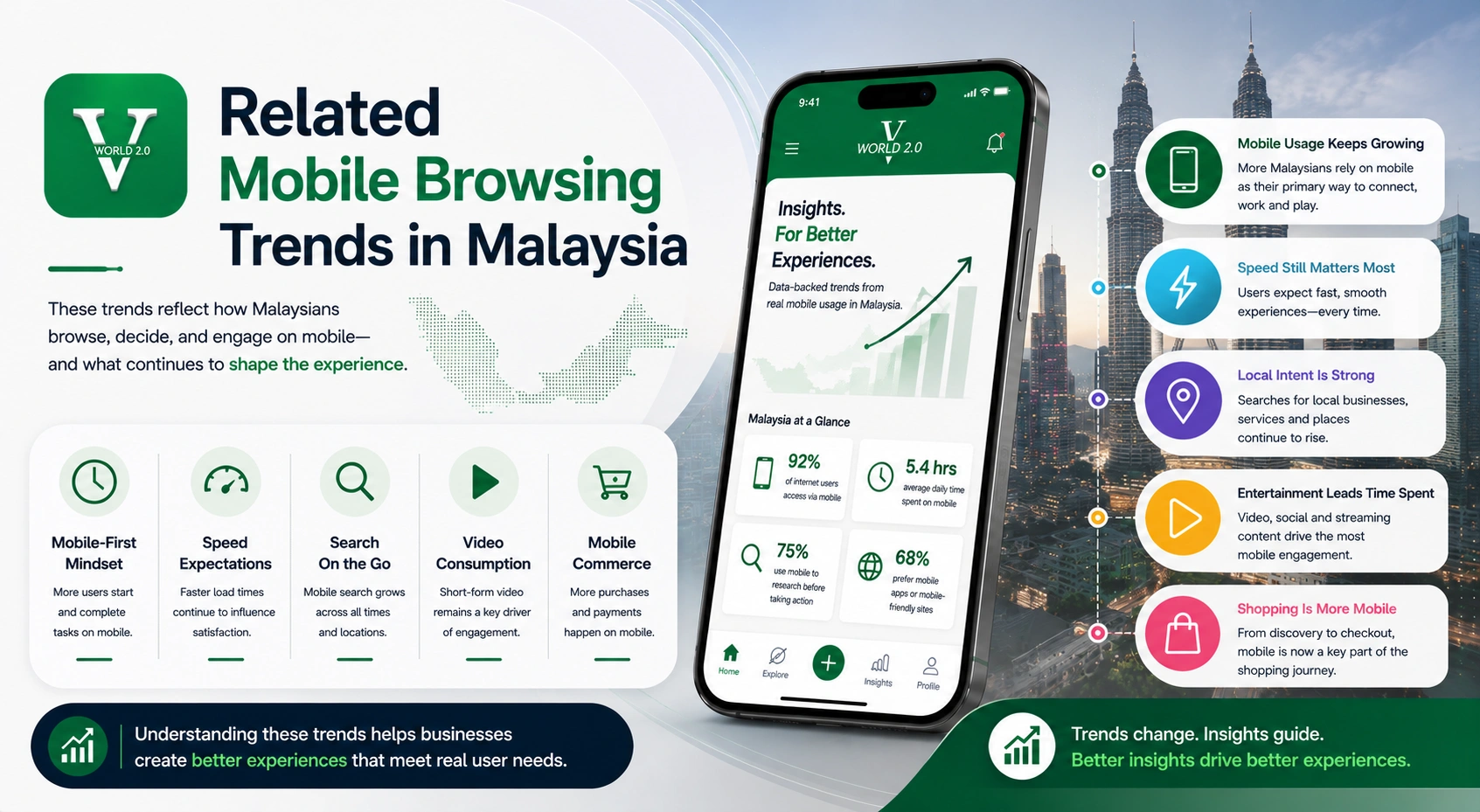
Related Mobile Browsing Trends in Malaysia
Many broader mobile trends are also influencing online platform preferences throughout Malaysia today.
Some of the biggest trends include:
| Browsing Trend | Impact on User Behavior |
|---|---|
| Faster mobile scrolling | Users leave slower pages quicker |
| Higher evening traffic | Stable navigation becomes more important |
| Increased multitasking | Simpler layouts perform better |
| Mobile-first browsing | Responsive structure becomes essential |
| Shorter attention span | Faster access improves retention |
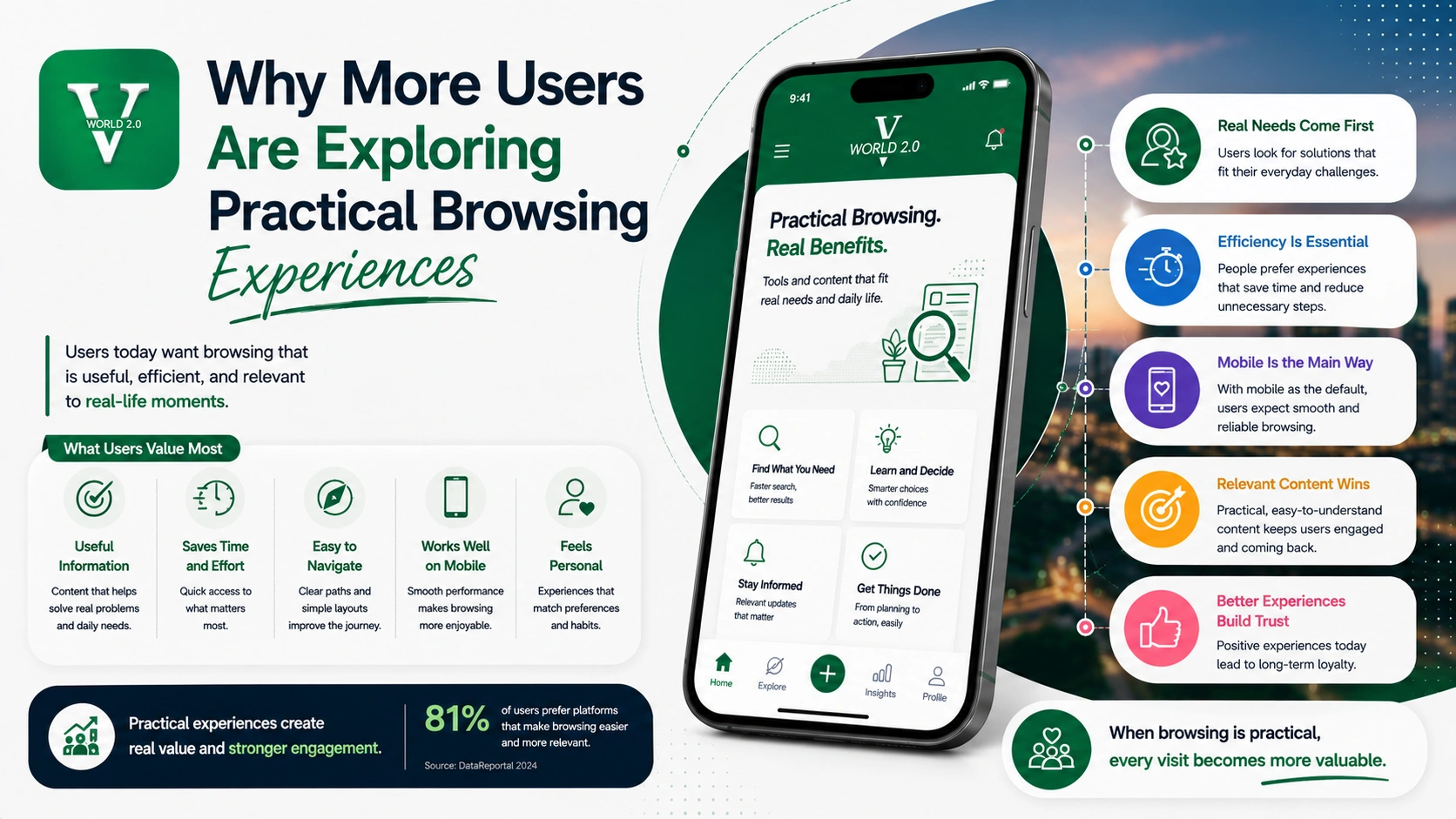
Why More Users Are Exploring Practical Browsing Experiences
As digital habits evolve, users are becoming increasingly practical when evaluating online platforms.
Rather than focusing only on:
- Large visual effects
- Promotional claims
- Oversized marketing banners
Many users now prioritize:
- Browsing comfort
- Smoother interaction
- Easier usability
- Stable responsiveness
This practical mindset aligns much more closely with how modern smartphone users actually behave daily.
Over time, platforms providing cleaner and smoother experiences naturally become more attractive to users seeking consistent browsing comfort.
This ongoing shift helps explain why more users continue spending time on Vworld through mobile access in 2026.
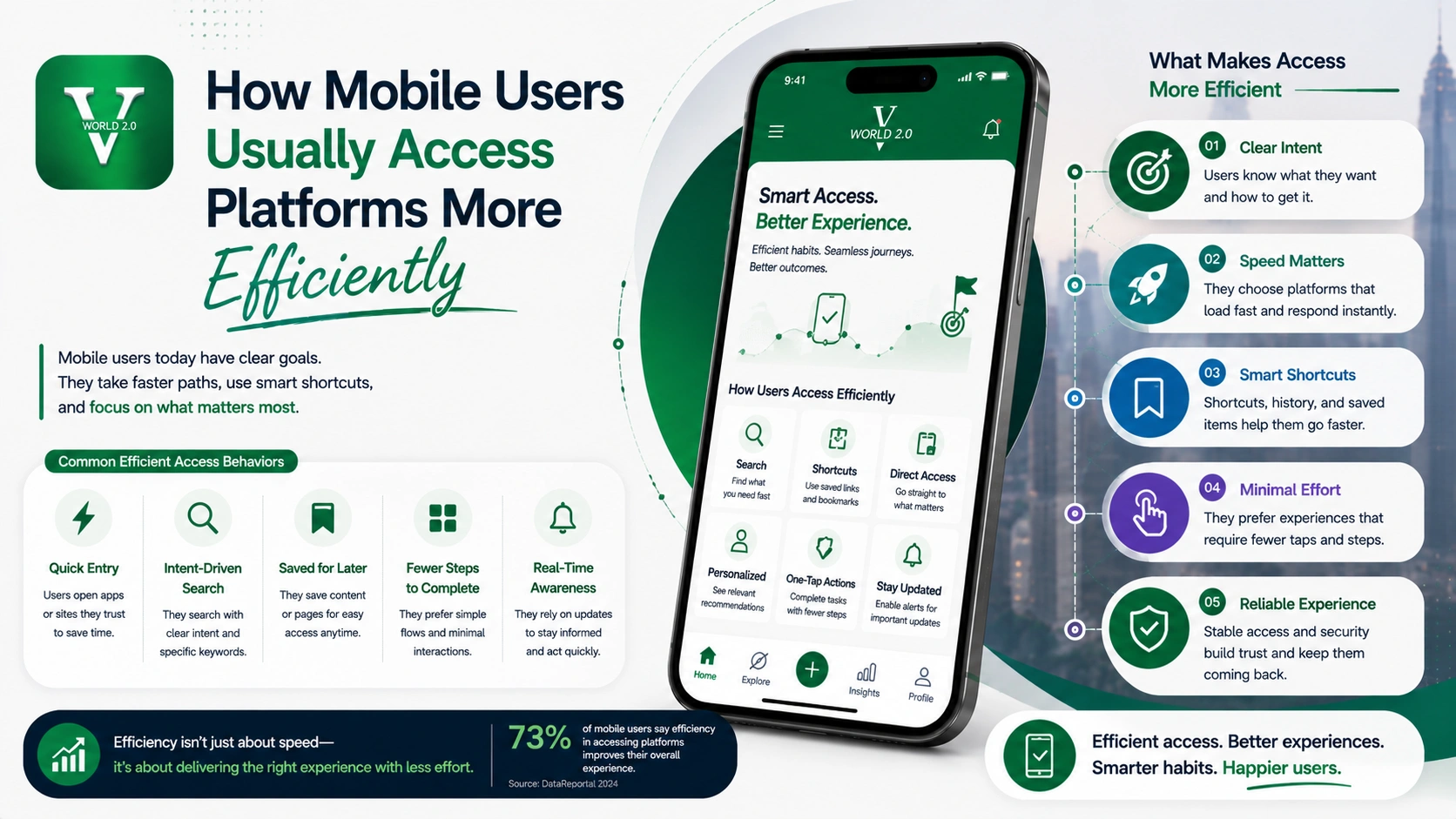
How Mobile Users Usually Access Platforms More Efficiently
Many mobile users today prefer keeping browsing sessions as simple and uninterrupted as possible, especially during heavier evening traffic periods. Instead of navigating through overly complicated steps, users generally prioritize faster access and smoother mobile continuity throughout the session.
1. Using Stable Mobile Networks
Users often browse more comfortably under stronger network conditions such as home WiFi or stable mobile data connections during longer sessions.
2. Keeping Navigation Simpler
Cleaner layouts and easier category organization usually reduce unnecessary scrolling and improve overall browsing comfort on smartphones.
3. Reducing Repeated Reloading
Users generally prefer platforms that maintain smoother responsiveness without requiring excessive refreshing while moving between sections. As mobile browsing behavior continues evolving throughout Malaysia, smoother interaction and lower browsing friction are becoming much more important during everyday mobile usage.
Final Thoughts
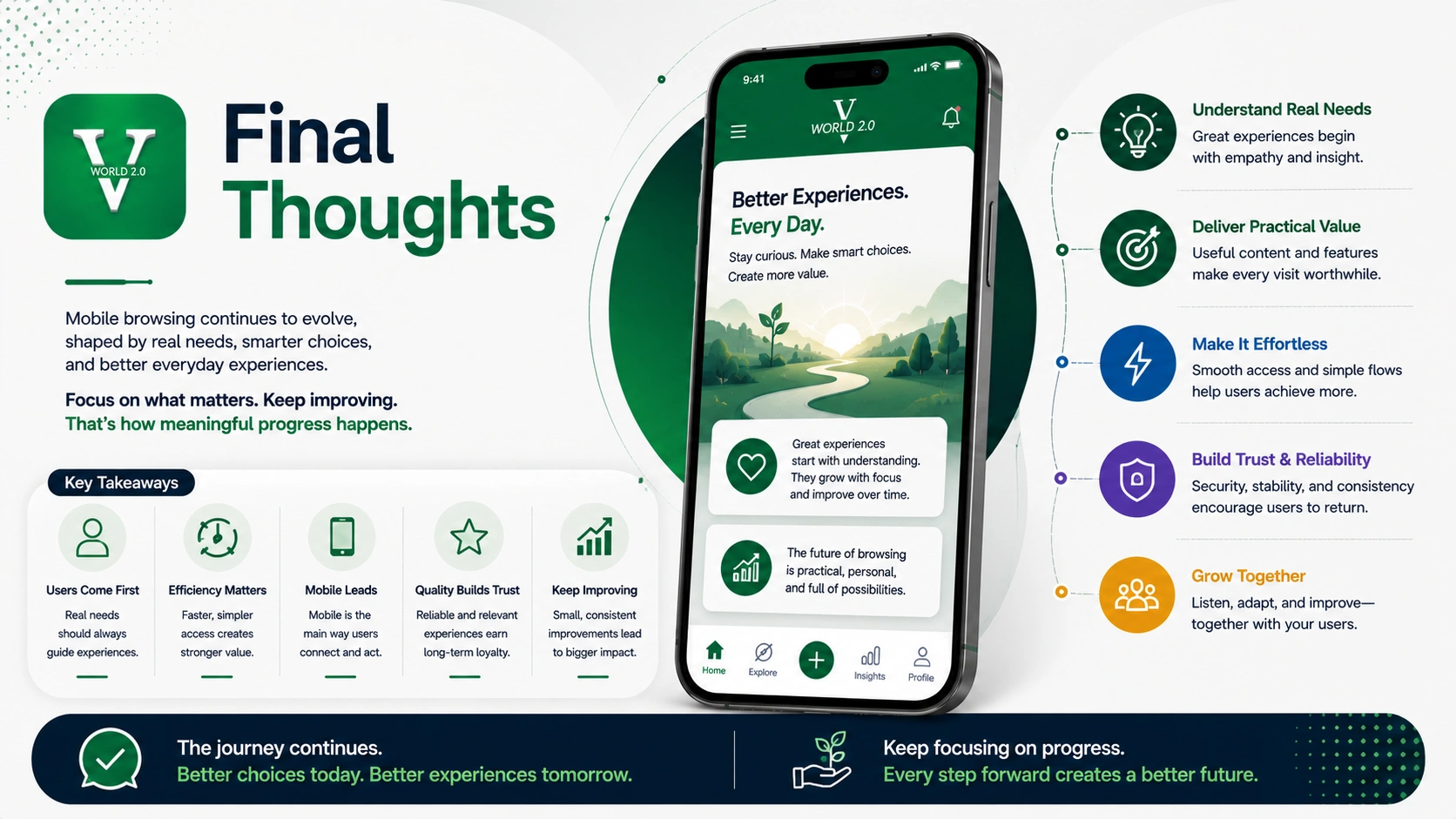
Mobile browsing behavior in Malaysia has changed significantly over the past few years. Users today no longer focus only on promotions or visual appearance when evaluating online platforms.
Instead, users increasingly prioritize:
- Smoother navigation
- Stable responsiveness
- Easier interaction
- Lower interruption frequency
- Better mobile usability
These expectations continue rising as smartphone usage dominates everyday online activity throughout Malaysia.
As browsing habits evolve, platforms that provide cleaner and more stable mobile experiences naturally become more aligned with real-world user behavior.
This shift explains why practical usability, browsing comfort, and responsive interaction continue becoming much more important in 2026.
Over time, users naturally move toward environments that feel:
- Smoother
- Easier to navigate
- More consistent
- Less frustrating during everyday mobile browsing sessions
Rather than platforms relying only on aggressive promotional visibility alone.