
Key Takeaways
Vworld 2.0 is an integrated gaming ecosystem that combines sports, live casino, slots, poker, fishing games, promotions, and account access within a connected platform environment.
The evolution from Vworld to Vworld 2.0 reflects changing digital behavior in Malaysia, where users increasingly prefer mobile-friendly platforms with simpler navigation and smoother category accessibility.
Mobile accessibility has become a major factor influencing platform preference because many Malaysian users browse through smartphones during commuting, work breaks, and evening leisure periods.
Vworld 2.0 Login and Vworld 2.0 Register functions serve as the primary access points that connect users to the broader ecosystem and its various gaming categories.
Integrated ecosystems continue growing in popularity because they allow users to move between sports, live casino, poker, slots, and promotional sections without navigating multiple separate platforms.
Provider diversity strengthens the Vworld ecosystem through industry-recognized providers such as Pragmatic Play, JILI, Spadegaming, Evolution, and SABA Sports.
Modern users increasingly evaluate Vworld 2.0 based on overall ecosystem usability, mobile responsiveness, navigation consistency, and long-term browsing convenience rather than category quantity alone.
As browsing habits continue evolving throughout Malaysia in 2026, Vworld and Vworld 2.0 remain aligned with broader trends toward connected digital ecosystems that prioritize accessibility, continuity, and user-centered experiences.
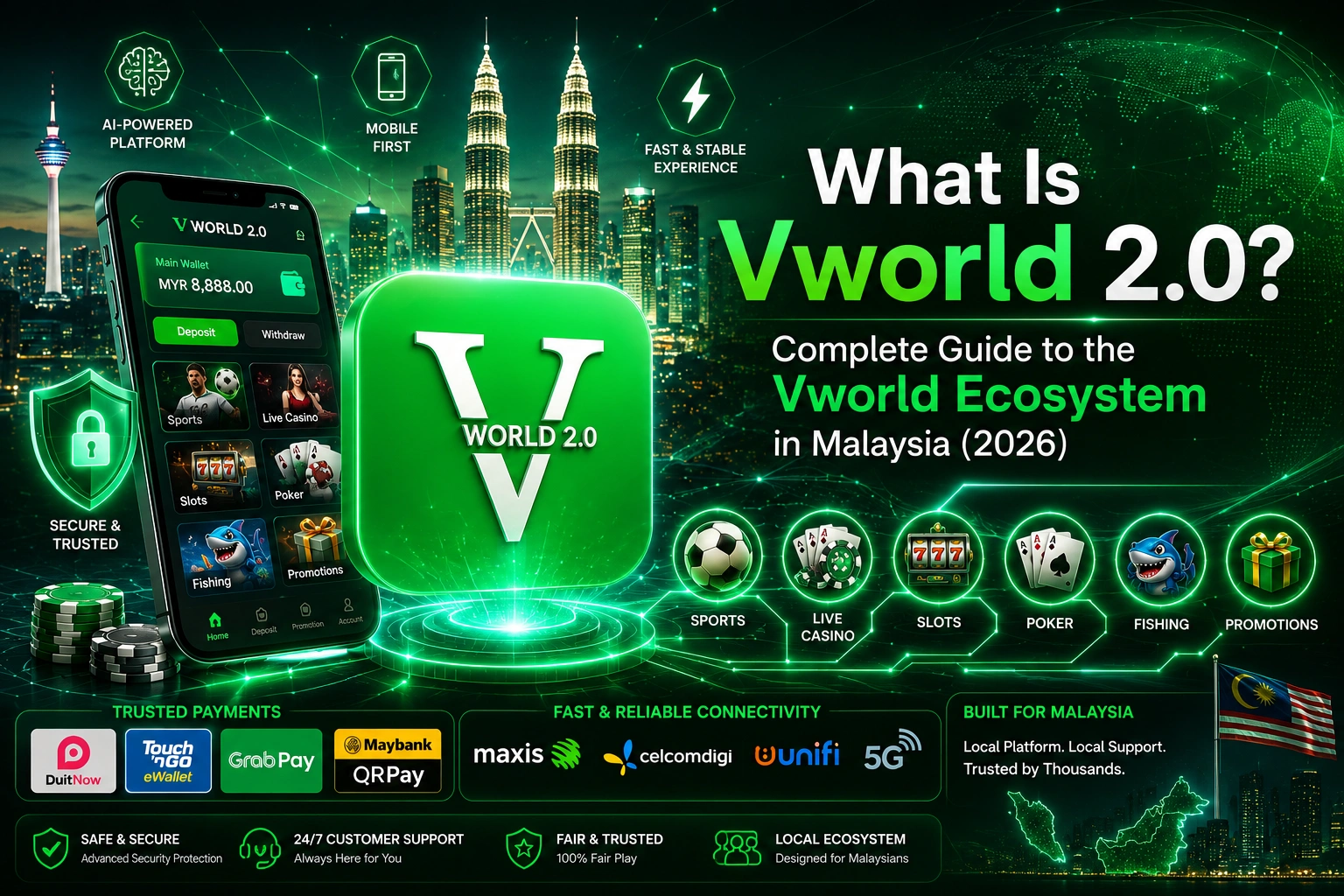
What Is Vworld 2.0? Complete Guide to the Vworld Ecosystem in Malaysia (2026)
Introduction
Not every user visits an online gaming platform with the same goal.
Some users check sports-related content during short work breaks, while others browse slot categories while travelling on MRT and LRT routes throughout Malaysia. During evening hours, it is also common for users to move between sports updates, live gaming environments, promotional information, and other categories within the same browsing session. These evolving habits reflect a broader shift in how people interact with digital platforms today.
As browsing behavior becomes increasingly mobile-first, convenience often influences user preferences just as much as content availability itself. Modern users are paying greater attention to factors such as navigation simplicity, category accessibility, account convenience, and overall mobile usability rather than evaluating platforms solely based on category quantity.
One ecosystem that continues attracting attention is Vworld 2.0. Designed as an integrated gaming ecosystem, Vworld 2.0 brings together sports, live casino, slots, poker, fishing games, promotions, and account accessibility within a connected platform environment. This structure allows users to move between different categories more efficiently while maintaining a familiar browsing experience.
As online behavior continues evolving throughout 2026, many users increasingly prefer ecosystems that support smoother navigation, mobile accessibility, and greater browsing continuity. For individuals researching Vworld, understanding the platform requires looking beyond individual categories and examining how the broader ecosystem functions as a complete experience.
This guide explores what Vworld 2.0 is, how the ecosystem has evolved, why integrated environments continue growing throughout Malaysia, and how changing digital habits are shaping user preferences in 2026.
What Is Vworld 2.0?
At its simplest level, Vworld 2.0 can be described as an integrated gaming ecosystem that brings multiple categories together within a single environment. Rather than focusing on one type of content, the platform is structured to support different browsing preferences through a connected ecosystem that includes sports-related content, live gaming environments, slot categories, poker experiences, fishing games, and promotional sections.
This approach reflects how online behavior has evolved throughout Malaysia. Modern browsing journeys are rarely limited to a single destination. Someone may begin by exploring sports-related information, move toward promotional content, review different gaming categories, and later return to another section during the same session. Because these transitions happen naturally, many people increasingly appreciate environments that make category exploration feel more seamless.
One reason integrated ecosystems continue gaining attention is flexibility. Different individuals often have different interests, and those interests can change depending on available time, personal preferences, or current events. Instead of requiring visitors to navigate completely separate environments, connected ecosystems allow multiple categories to coexist within a familiar structure.
Another important aspect is ecosystem familiarity. As people spend more time within a platform, they naturally become more familiar with category layouts, navigation pathways, and available features. This familiarity can make future visits more efficient because preferred sections become easier to locate and explore.
Vworld 2.0 Ecosystem Overview
| Ecosystem Component | Purpose |
|---|---|
| Sports | Sports-related content and events |
| Live Casino | Real-time interaction environments |
| Slots | Game variety and themed content |
| Poker | Card-based gaming environments |
| Fishing Games | Alternative entertainment categories |
| Cockfight | Traditional live competition-based gaming environments |
| Promotions | Campaign and bonus information |
| Account Access | Login and registration functions |
Beyond category availability, modern ecosystems are increasingly evaluated based on how effectively different sections work together. Navigation consistency, category organization, account accessibility, and mobile usability all contribute to the overall experience.
From a broader perspective, growing interest in Vworld reflects a wider industry trend toward connected environments rather than isolated categories. As browsing habits continue evolving throughout 2026, integrated ecosystems are becoming increasingly aligned with the way many Malaysians interact with online platforms today. Instead of focusing solely on individual features, attention is gradually shifting toward how smoothly an entire ecosystem functions as a complete experience.
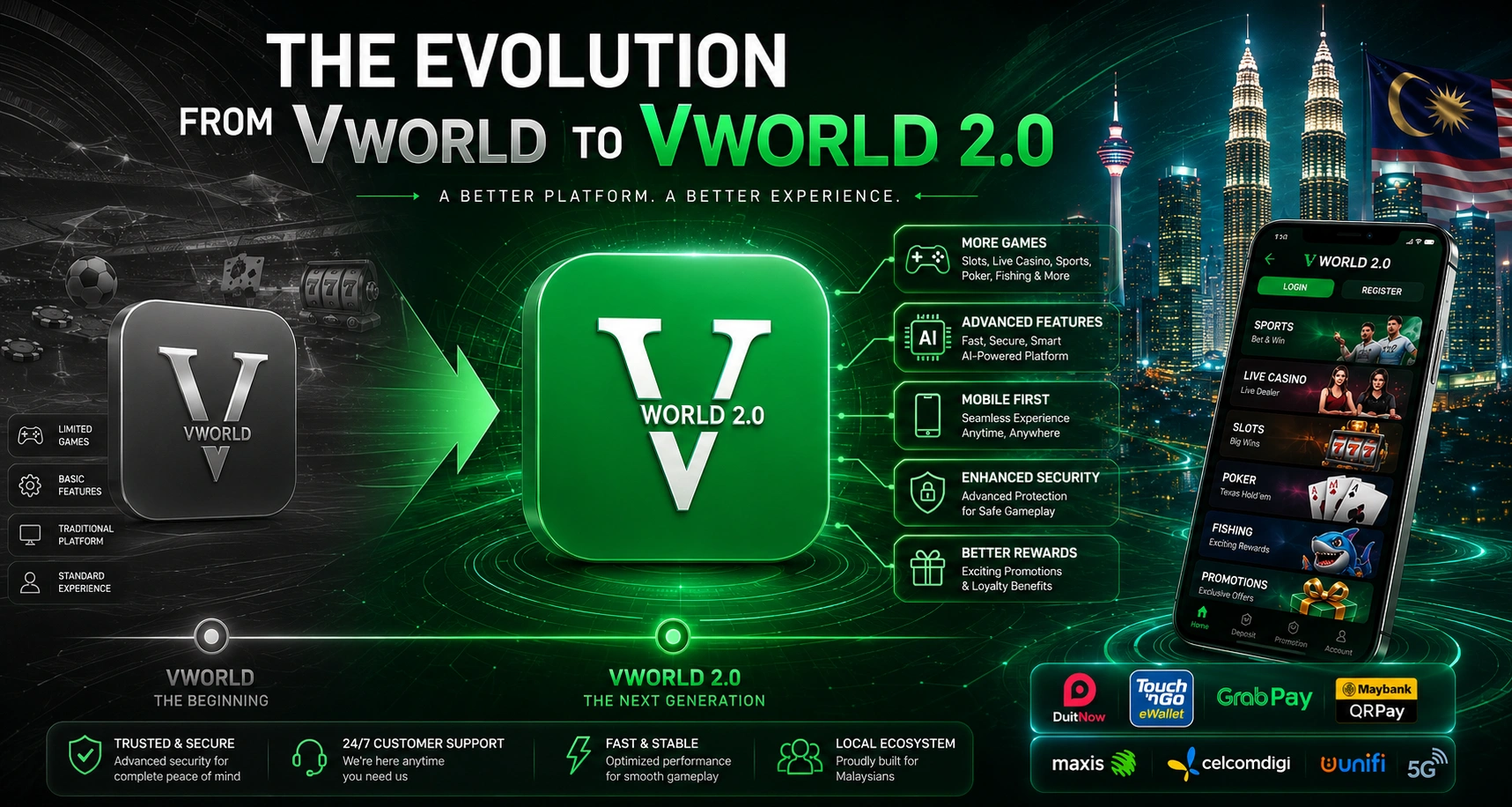
The Evolution From Vworld to Vworld 2.0
When discussing platform evolution, many people immediately think about visual redesigns, new features, or additional categories. While those changes are often the most noticeable, they are rarely the primary reason ecosystems continue evolving. More often, the driving force behind long-term development comes from changing online behavior itself.
Over the past several years, digital habits throughout Malaysia have become increasingly dynamic. Instead of focusing on a single activity for extended periods, many people now move between multiple forms of online content throughout the day. Sports updates, social media feeds, short-form videos, messaging applications, and gaming-related content frequently compete for attention within the same browsing session.
This shift has gradually changed how online platforms are evaluated.
Previously, first impressions were often influenced by visual presentation and category quantity. Today, expectations extend beyond appearance alone. Mobile responsiveness, navigation clarity, category organization, and overall continuity increasingly shape how a platform is perceived after repeated visits.
How User Expectations Have Evolved
| Earlier User Priorities | Current User Priorities (2026) |
|---|---|
| Large game selection | Faster category accessibility |
| Homepage visuals | Mobile usability |
| Promotional visibility | Easier navigation |
| Quantity of categories | Consistent browsing experience |
| First impressions | Long-term usability |
| Desktop compatibility | Smartphone responsiveness |
| Standalone category access | Integrated ecosystem accessibility |
| Occasional usage | Frequent short browsing sessions |
The comparison above highlights a broader shift occurring across many digital industries. While content availability remains important, greater emphasis is now placed on how efficiently different sections can be explored and how consistently an environment performs across devices.
This trend becomes particularly noticeable during peak activity periods. Evening hours, major sporting events, weekends, and public holidays often see people moving between several online activities within a relatively short period. Rather than remaining focused on one destination, attention is frequently divided across multiple platforms and forms of content.
As a result, ecosystems that support smoother transitions between categories often feel more aligned with modern browsing expectations.
The same pattern can also be observed among individuals researching Online Poker Behavior in Malaysia. It is increasingly common for people to move between poker-related content, sports information, live interaction environments, and other gaming categories during the same browsing session.
From this perspective, the transition toward Vworld 2.0 represents more than a platform update. It reflects a broader industry movement toward connected ecosystems that support flexibility, continuity, and category integration. As online behavior continues evolving throughout 2026, environments that adapt to these expectations are likely to remain increasingly relevant within the Malaysian digital landscape.
For users interested in understanding this transition in greater detail, our earlier guide about how Vworld evolved into Vworld 2.0 explores the broader changes shaping the ecosystem throughout Malaysia.
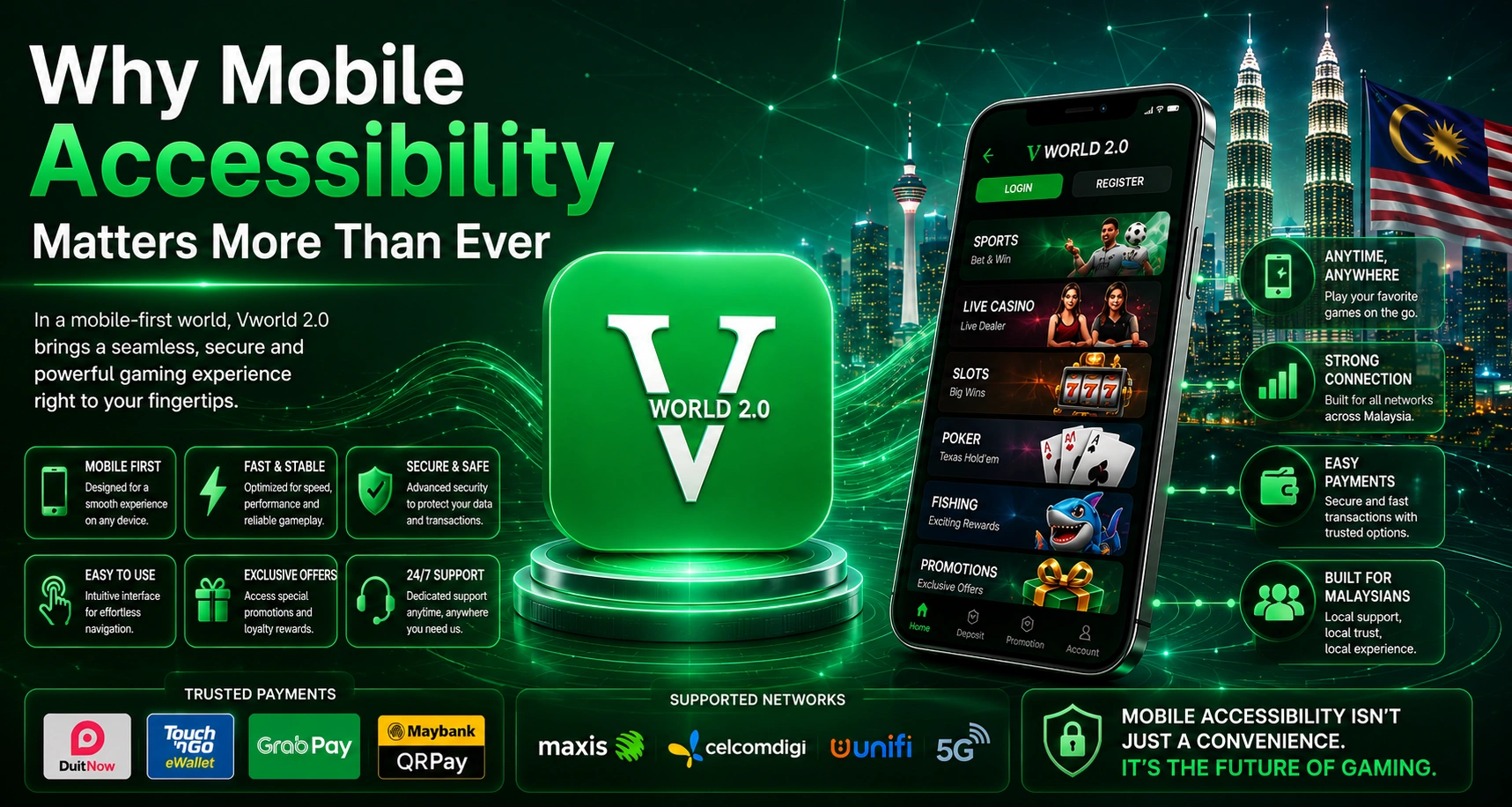
Why Mobile Accessibility Matters More Than Ever
The importance of mobile accessibility extends beyond device preference alone. It influences how efficiently people interact with an ecosystem, how easily different categories can be explored, and how comfortably a platform fits into everyday routines.
Throughout Malaysia, online activity increasingly occurs during moments that were previously disconnected from traditional desktop browsing. Commuters checking information while travelling, office workers browsing during short breaks, and evening visitors exploring content after work all interact with platforms under different conditions and time constraints.
Because these situations vary considerably, consistency becomes an important factor.
A platform may offer numerous categories, providers, and features, but if important sections are difficult to locate or require unnecessary navigation steps, the overall experience can feel fragmented. In contrast, environments that maintain clear pathways between categories often create a smoother browsing journey regardless of device type.
Factors That Influence Mobile Accessibility
| Accessibility Element | Why It Matters |
|---|---|
| Responsive Layouts | Adapt to different screen sizes |
| Category Visibility | Makes sections easier to locate |
| Navigation Consistency | Reduces unnecessary confusion |
| Mobile Optimization | Improves overall usability |
| Account Accessibility | Supports returning visits |
| Interface Stability | Creates a more reliable experience |
Network conditions can also influence how platforms are experienced. For example, a user travelling between KL Sentral, Pasar Seni, and Kajang MRT stations may access different sections of the ecosystem while network conditions fluctuate throughout the journey. These real-world situations help explain why responsive mobile accessibility remains increasingly important.
These real-world conditions help explain why mobile accessibility has become increasingly important. The goal is no longer simply to make a platform available on smartphones. Instead, modern ecosystems are expected to provide consistent access across different devices, browsing situations, and connection environments.
As digital habits continue evolving throughout 2026, mobile accessibility remains closely connected to overall ecosystem quality. Platforms that support smoother category exploration, clearer navigation structures, and reliable account access are generally better positioned to align with the expectations of modern Malaysian audiences.
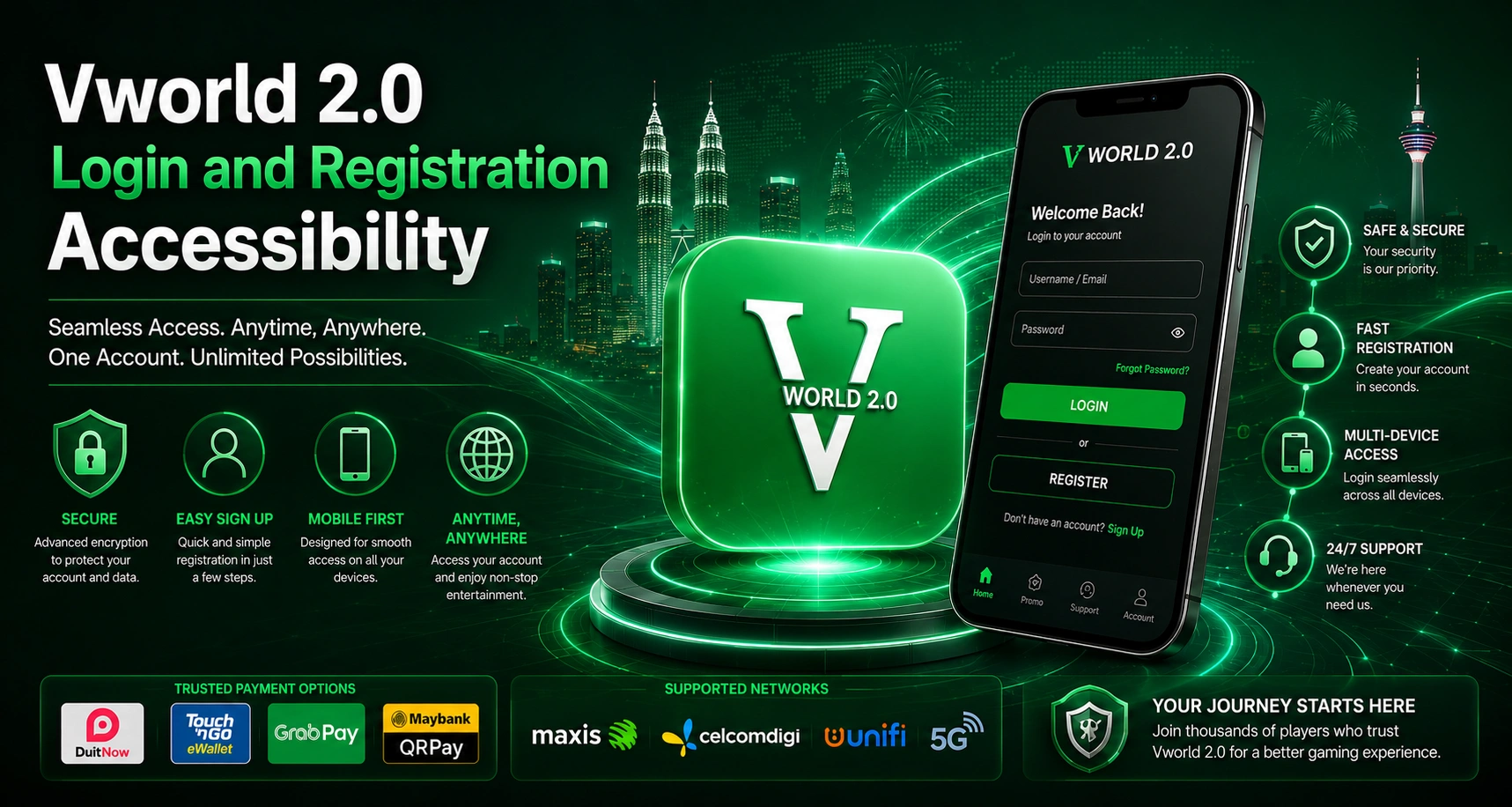
Vworld 2.0 Login and Registration Accessibility
Every ecosystem has an entry point. Before categories can be explored, providers can be compared, or platform features can be experienced, account access serves as the connection between visitors and the broader environment.
For returning members, the journey typically begins through the Vworld 2.0 Login. Rather than functioning as a destination itself, the login environment acts as a gateway that reconnects account holders with the categories, providers, and features available throughout the ecosystem.
For first-time visitors, the process begins through the Vworld 2.0 Register. Registration pathways play an important role because they establish the first structured interaction between a new account holder and the platform ecosystem.
As online environments become increasingly interconnected, account accessibility has evolved beyond simple account creation or account entry. Many people now evaluate whether important account-related functions are easy to locate and whether pathways between registration, login, and platform categories remain clear and organized.
Elements That Support Account Accessibility
| Accessibility Element | Purpose |
|---|---|
| Login Accessibility | Supports returning account access |
| Registration Pathways | Supports new account creation |
| Mobile Compatibility | Improves cross-device accessibility |
| Clear Navigation Structure | Helps locate account functions |
| Consistent Interface Design | Improves familiarity |
| Category Connectivity | Links account access with ecosystem features |
Account accessibility also influences how efficiently different sections of an ecosystem can be explored. A structured pathway between account functions and platform categories helps create a more connected experience while reducing unnecessary steps between different areas of the platform.
From a broader perspective, the growing interest surrounding Vworld reflects a wider trend across modern digital ecosystems. Account access is no longer viewed as a standalone function. Instead, it has become an integrated component of the overall platform experience, connecting visitors with the wider ecosystem in a more structured and consistent manner.
As expectations continue evolving throughout 2026, clear account pathways, organized navigation structures, and seamless connectivity between platform sections are likely to remain important elements supporting long-term ecosystem usability.
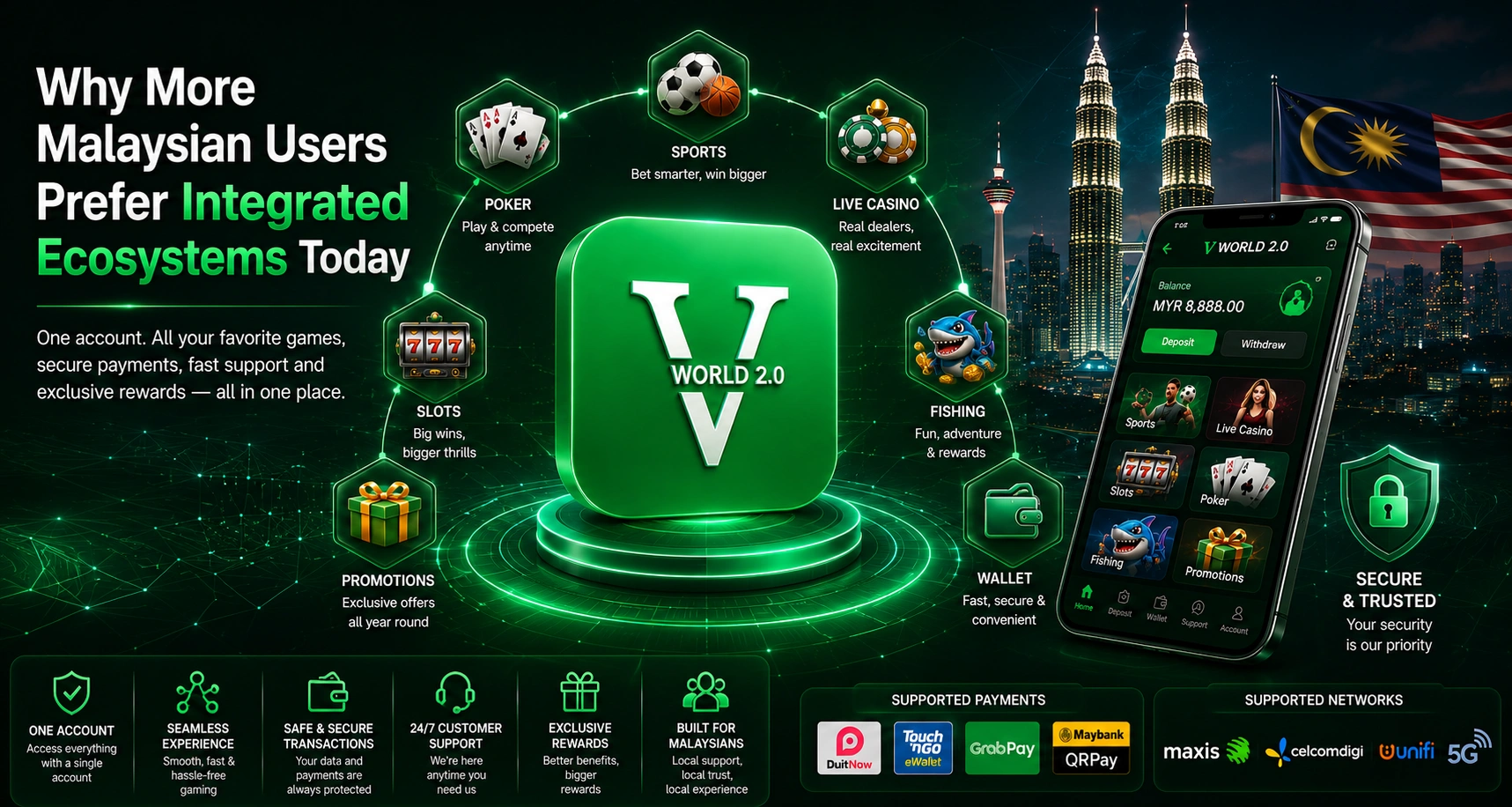
Why More Malaysian Users Prefer Integrated Ecosystems Today
The growing relevance of integrated ecosystems is not limited to gaming-related environments. Similar patterns can be observed across banking platforms, e-commerce applications, streaming services, and social media ecosystems throughout Malaysia. Rather than managing multiple disconnected destinations, many people increasingly prefer environments that bring related functions together within a single structure.
This preference is closely connected to how digital habits have evolved.
Modern online activity is rarely linear. Someone exploring sports-related information may later review promotional updates, compare different categories, or return to previously visited sections during the same browsing session. Because interests can change quickly, ecosystems that support flexible exploration often feel more aligned with contemporary browsing behavior.
Another factor contributing to this shift is continuity.
When categories exist within a connected environment, navigation pathways tend to feel more familiar over time. Instead of repeatedly adapting to completely different layouts, visitors can move between sections while remaining within a consistent ecosystem structure.
Why Integrated Ecosystems Continue Growing
| Ecosystem Advantage | Why It Matters |
|---|---|
| Centralized Access | Reduces the need to navigate multiple destinations |
| Category Connectivity | Supports smoother movement between sections |
| Consistent Navigation | Creates greater familiarity |
| Unified Structure | Improves overall organization |
| Cross-Category Exploration | Supports different browsing interests |
| Mobile Compatibility | Aligns with smartphone-first usage |
Integrated ecosystems also provide greater flexibility for different browsing preferences. Some individuals may focus primarily on sports-related content, while others spend more time exploring live interaction environments, slot categories, poker-related sections, fishing games, or promotional information. A connected ecosystem allows these interests to coexist within a single environment rather than requiring separate destinations for each activity.
This broader trend helps explain why integrated environments continue attracting attention throughout 2026. The value no longer comes solely from the availability of individual categories. Instead, increasing emphasis is placed on how effectively those categories work together as part of a larger ecosystem.
As digital expectations continue evolving throughout Malaysia, connected environments that support organization, flexibility, and category continuity are likely to remain increasingly relevant across many types of online platforms.
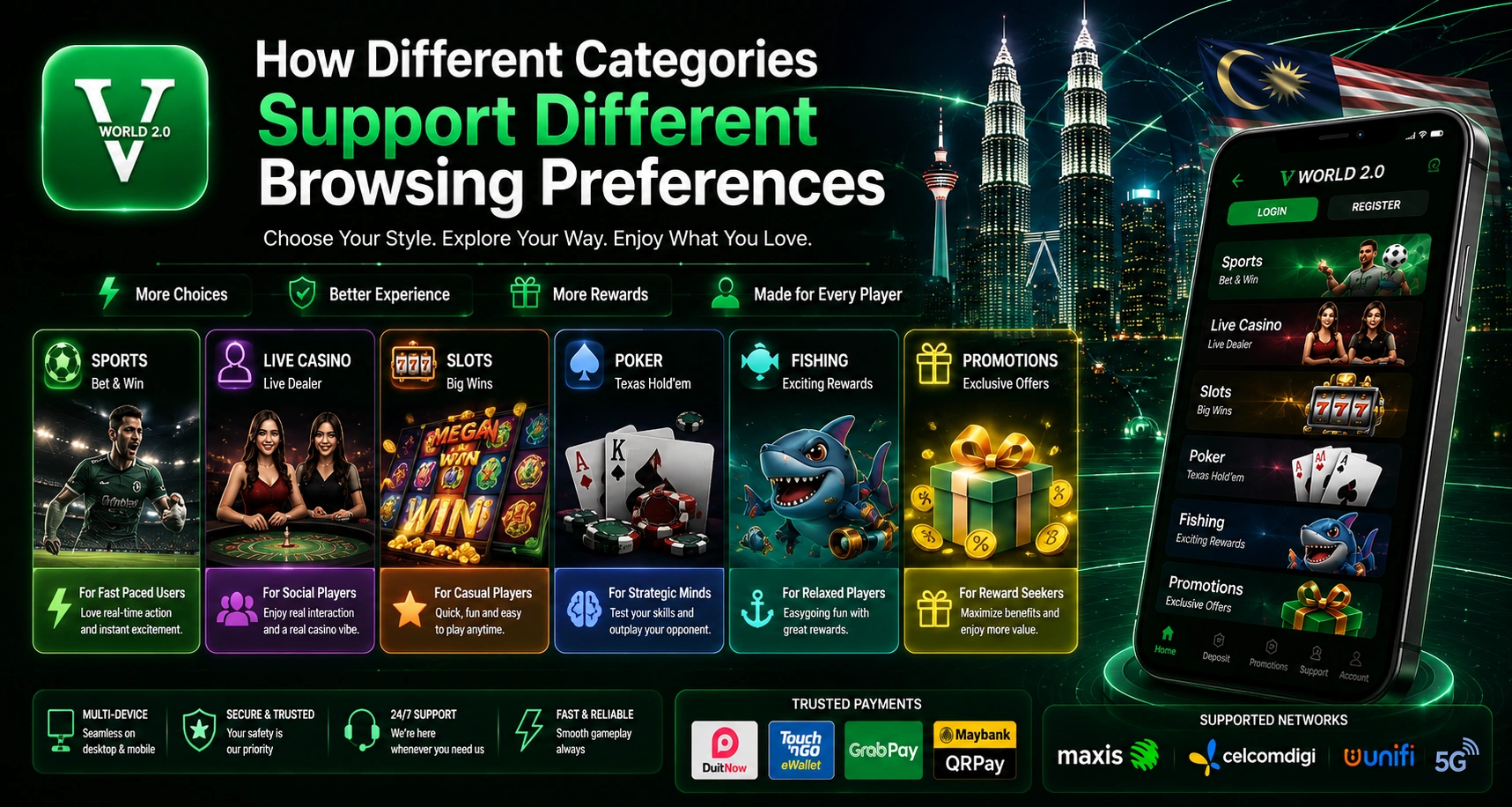
How Different Categories Support Different Browsing Preferences
One of the defining characteristics of a modern ecosystem is category diversity. Rather than serving a single interest, connected environments are designed to support multiple forms of engagement within the same platform structure.
This diversity is important because different categories often fulfill different purposes. Some sections are primarily associated with sports-related information and major events, while others focus on live interaction environments, card-based experiences, slot content, fishing games, or promotional updates.
Instead of viewing categories as isolated destinations, it can be helpful to understand how each contributes to the broader ecosystem experience.
Common Categories Within Modern Ecosystems
| Category | Primary Focus |
|---|---|
| Sports | Sporting events and related content |
| Live Casino | Real-time interaction environments |
| Slots | Variety-driven gaming experiences |
| Poker | Strategy-oriented card environments |
| Fishing Games | Alternative arcade-style experiences |
| Cockfight | Traditional competition-based gaming environments |
| Promotions | Campaign and update information |
The presence of multiple categories allows an ecosystem to accommodate a wider range of interests without requiring separate destinations for each activity. This structure creates greater flexibility while helping maintain continuity throughout the overall platform experience.
Category diversity also contributes to ecosystem depth. Rather than relying on a single content type, broader environments can support different forms of engagement while remaining connected through a consistent navigation structure.
Another advantage is discoverability. Individuals often enter an ecosystem through one category and later explore additional sections that align with their interests. This natural progression helps create a more connected experience while encouraging exploration across different areas of the platform.
From a broader perspective, category diversity has become an increasingly important characteristic of modern ecosystems. As digital habits continue evolving, environments that successfully combine multiple categories within a structured framework are often better positioned to support different browsing preferences without sacrificing overall organization.
For this reason, category variety remains one of the key elements contributing to how ecosystems are experienced throughout Malaysia in 2026.
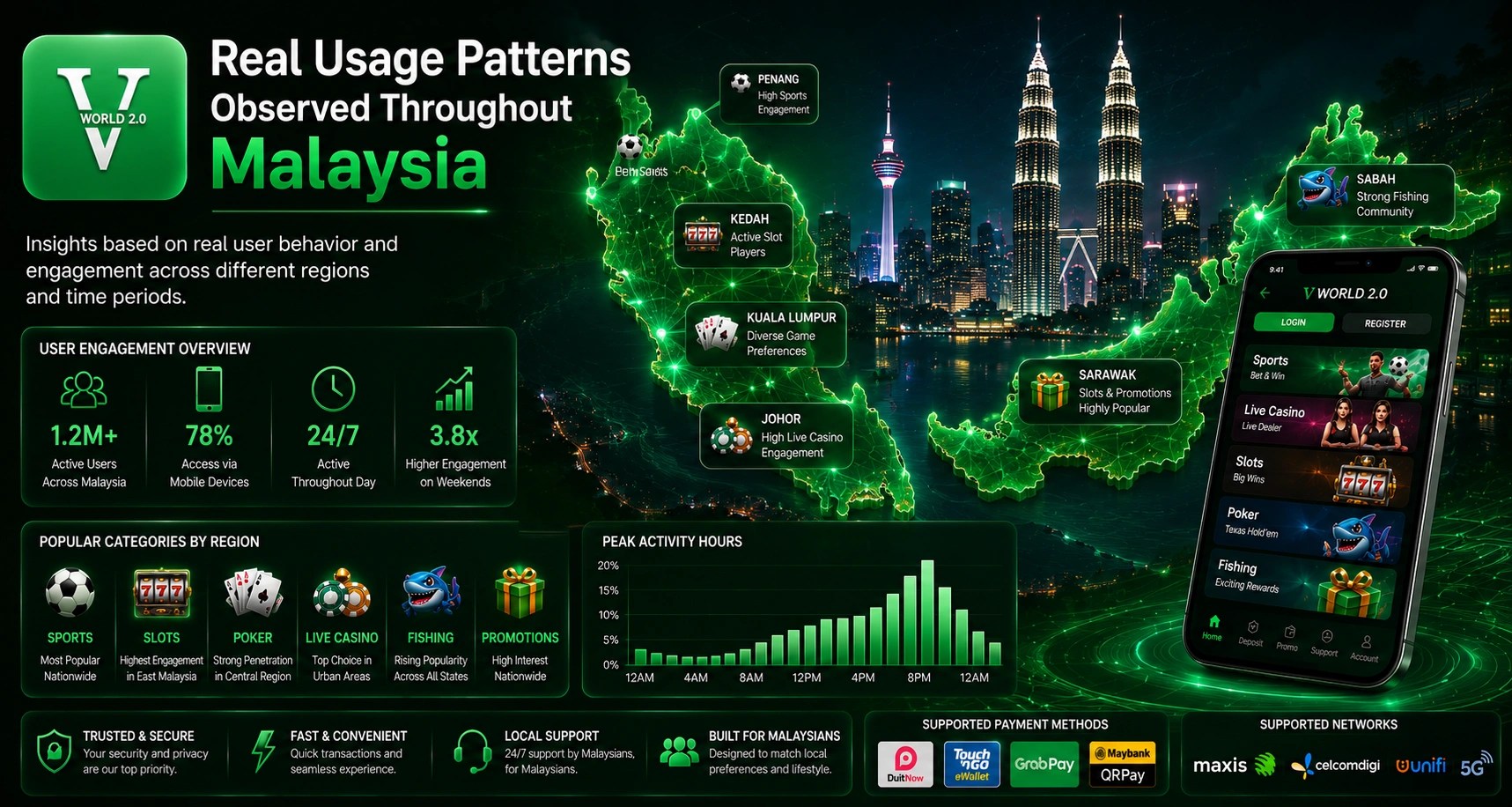
Real Usage Patterns Observed Throughout Malaysia
Understanding how digital ecosystems are used in practice often provides valuable insight into why certain platform characteristics become increasingly important over time.
While platform features, category availability, and provider diversity all contribute to the overall experience, real-world usage patterns frequently determine which aspects receive the most attention from visitors.
Across Malaysia, online activity is now deeply integrated into everyday routines. Digital interactions no longer occur only during dedicated leisure periods. Instead, online platforms are accessed throughout the day alongside work responsibilities, social communication, entertainment consumption, and information gathering.
This has created a different set of expectations compared to previous years.
People increasingly expect online environments to support flexible interaction rather than requiring extended periods of uninterrupted attention. Digital activity often occurs alongside other tasks, making clarity and organization more important than ever.
How Digital Habits Continue Evolving
| Earlier Expectations | Current Expectations |
|---|---|
| Single-purpose platforms | Multi-functional ecosystems |
| Category-focused browsing | Ecosystem-focused exploration |
| Static online journeys | Flexible interaction pathways |
| Separate destinations | Connected environments |
| Feature-first evaluation | Experience-first evaluation |
Another noticeable trend is the growing importance of familiarity. As individuals revisit the same ecosystem over time, category structures, navigation pathways, and account-related functions become increasingly recognizable. This familiarity often contributes to a smoother overall experience because less effort is required to locate preferred sections or continue previous browsing journeys.
The same pattern can also be observed among visitors researching topics such as Online Poker Behavior in Malaysia. Rather than focusing exclusively on one topic, exploration often extends across related categories, information sources, and ecosystem features.
This broader trend highlights an important shift. Modern digital environments are increasingly evaluated as complete ecosystems rather than collections of individual categories. Factors such as continuity, organization, category connectivity, and overall structure now play a larger role in shaping long-term impressions.
As digital habits continue evolving throughout Malaysia, the ecosystems that successfully align with these expectations are likely to remain increasingly relevant. The emphasis is no longer solely on what categories are available, but also on how effectively those categories work together within a connected and organized environment.
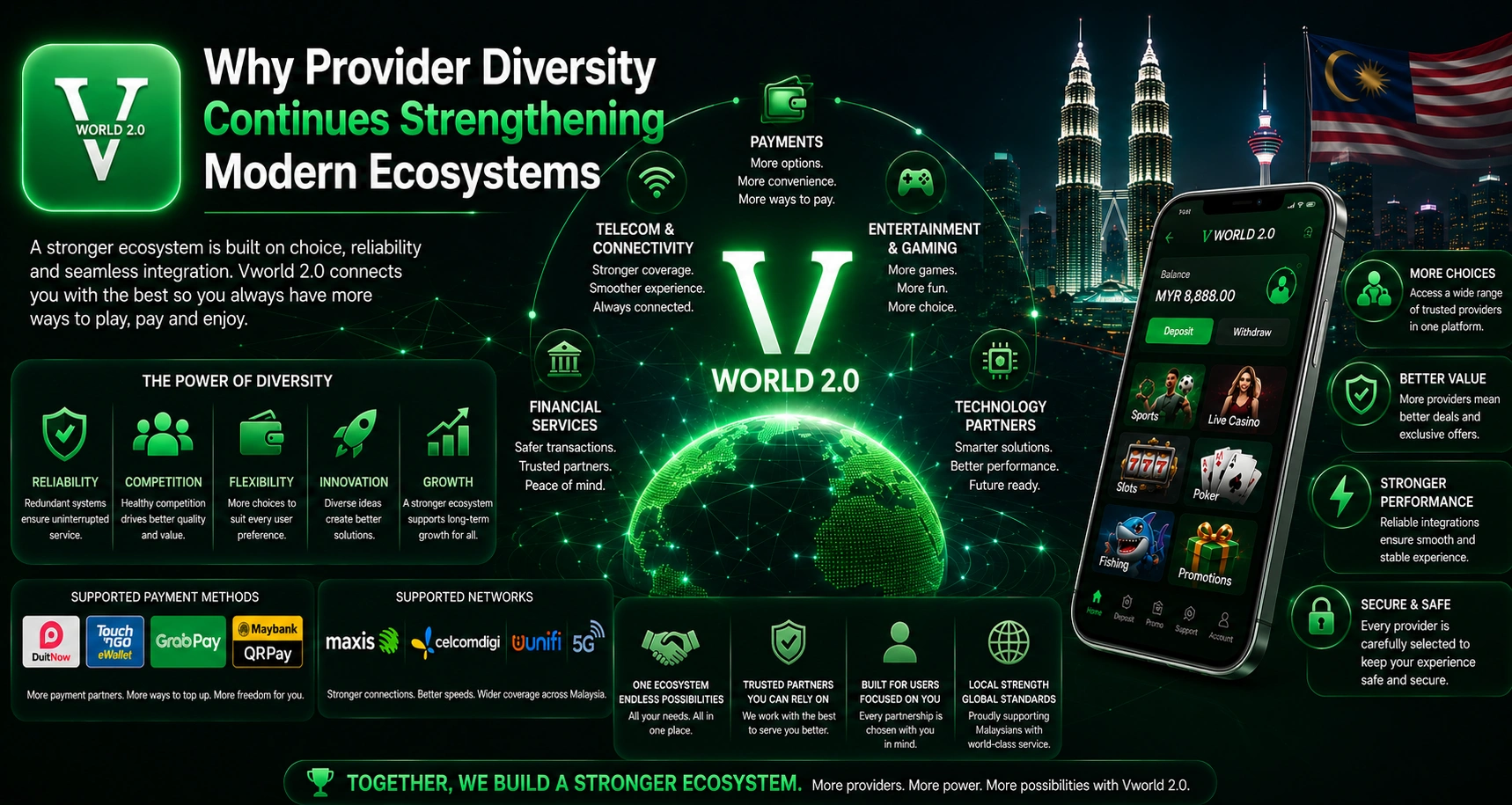
Why Provider Diversity Continues Strengthening Modern Ecosystems
While category availability often receives significant attention, provider diversity plays an equally important role in shaping the overall ecosystem experience.
Modern gaming environments are rarely built around a single content source. Instead, multiple providers contribute different types of experiences, technologies, and content formats that collectively support a broader range of interests.
This diversity allows ecosystems to offer greater variety while maintaining a connected structure across different categories.
Examples of Commonly Recognized Industry Providers
| Provider | Commonly Associated With |
|---|---|
| Pragmatic Play | Slot and live gaming content |
| JILI | Mobile-oriented gaming experiences |
| Spadegaming | Asian-themed slot environments |
| Evolution | Live casino technology |
| SABA Sports | Sports-related content and coverage |
The presence of providers such as Pragmatic Play, JILI, Spadegaming, Evolution, and SABA Sports helps create a broader ecosystem capable of supporting different browsing preferences within a single platform environment.
Each provider contributes a different layer to the ecosystem. Some are primarily associated with slot-based content, while others focus on live interaction environments or sports-related experiences. Together, these providers help create a broader ecosystem that supports multiple browsing preferences within a connected platform structure.
Provider diversity also contributes to content variety. Rather than relying on a single source, ecosystems can incorporate different styles, formats, and experiences while maintaining overall consistency through a centralized environment.
Another advantage is long-term ecosystem depth. As providers continue introducing new content and technologies, integrated platforms are able to expand their offerings without fundamentally changing the structure that visitors have already become familiar with.
From a broader perspective, provider diversity reflects the evolution of modern gaming ecosystems. The value of an ecosystem is no longer determined solely by the number of categories available, but also by the range of providers supporting those categories and the variety they bring to the overall experience.
As online ecosystems continue evolving throughout 2026, provider diversity is likely to remain an important factor contributing to ecosystem depth, category variety, and long-term platform development.
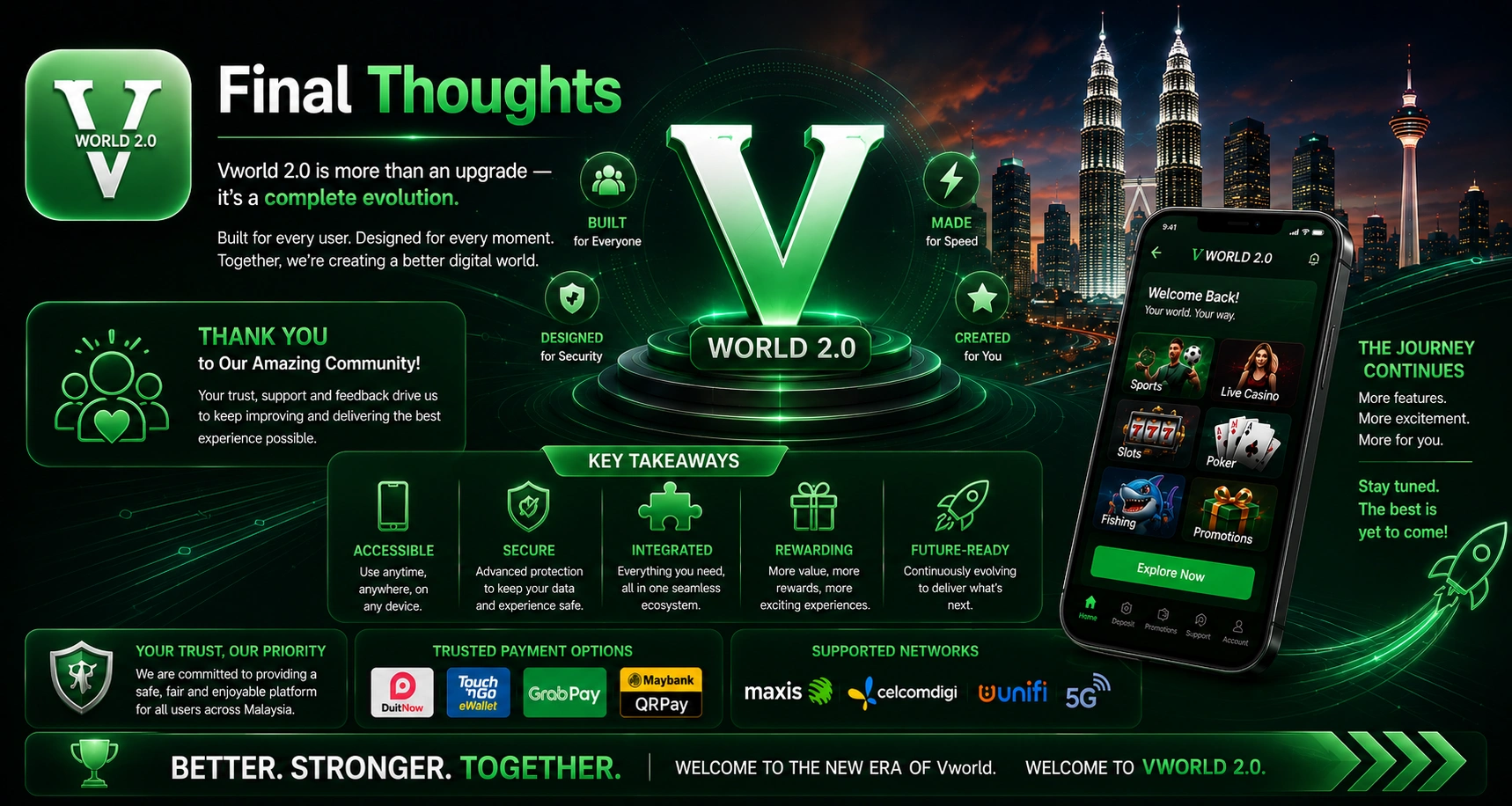
Final Thoughts
So, what is Vworld 2.0?
Rather than viewing it simply as another online gaming platform, it can be better understood as a broader ecosystem designed around accessibility, continuity, and integrated user experiences. The platform reflects how online behavior has evolved throughout Malaysia, where users increasingly prefer environments that support smoother navigation, easier category exploration, and more convenient mobile accessibility.
The growing interest surrounding Vworld 2.0 is closely connected to these changing expectations. Modern users frequently move between different categories, access online content through smartphones, and browse in shorter but more frequent sessions throughout the day. Because of these habits, convenience often becomes just as important as content availability itself.
Features such as accessible account entry through the Vworld 2.0 Login and onboarding accessibility through the Vworld 2.0 Register contribute to a broader experience that prioritizes usability and continuity.
At the same time, the increasing relevance of integrated ecosystems highlights a larger industry trend. Users are no longer focused solely on individual categories. Instead, they increasingly evaluate how effectively different parts of a platform work together and whether the overall environment feels comfortable during repeated daily use.
As browsing habits continue evolving throughout 2026 and beyond, accessibility, convenience, and ecosystem integration are likely to remain important factors shaping user preferences. From this perspective, the continued attention surrounding Vworld reflects more than category availability alone. It reflects the growing importance of user-centered experiences within modern digital environments and the broader shift toward ecosystems that align with how people actually browse online today.